 NamasteTrip
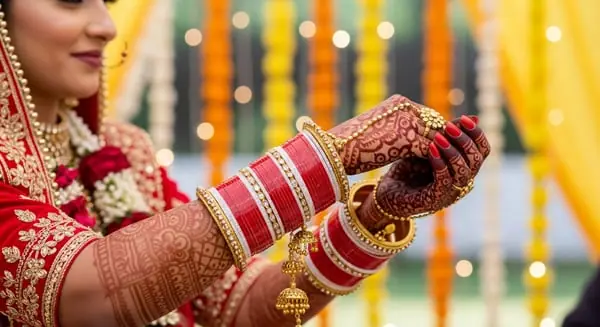
Ritual 1
🔴 Chooda Ceremony
The bride receives blessed red-and-white bangles from her maternal family. This emotional ritual symbolizes luck, blessings, and the start of a new life.
Experience the vibrant, energetic and joyful Punjabi wedding culture. Enjoy dhol beats, Bhangra dancing, colourful rituals, delicious Punjabi food and heartfelt family celebrations. Join a real Punjabi family and feel the warmth of true India.
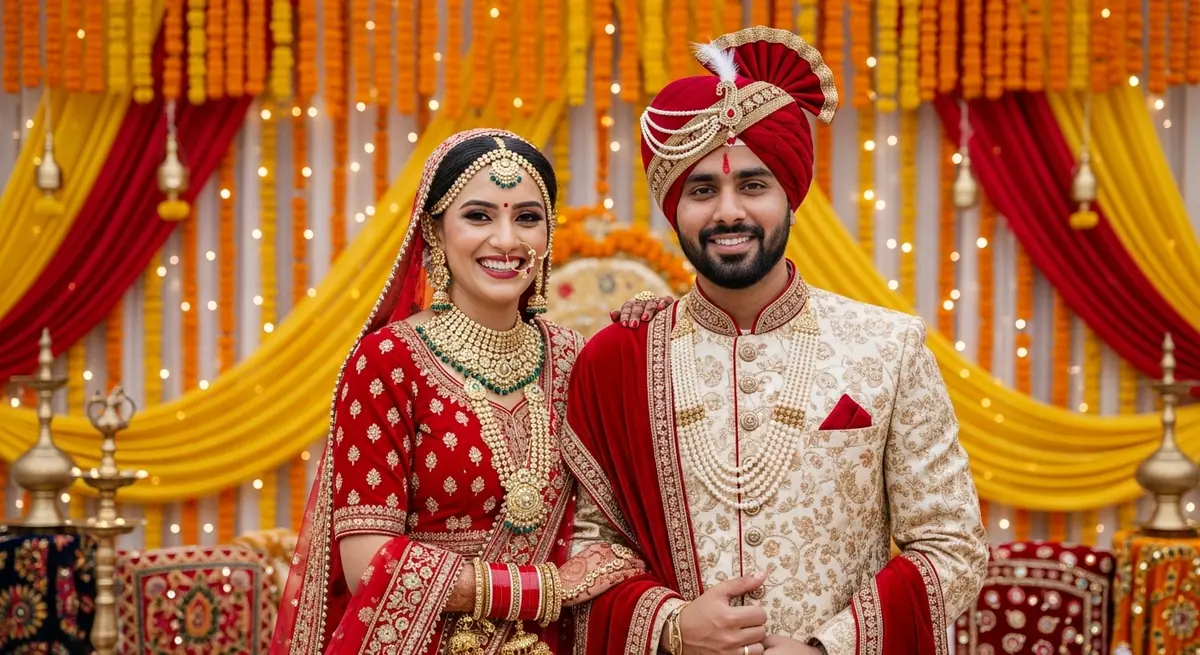
Punjabi weddings are one of the most energetic, joyful, and colourful celebrations in India. They combine powerful dhol beats, vibrant dance, deep cultural rituals, delicious Punjabi food, and emotional family traditions that make the experience unforgettable.
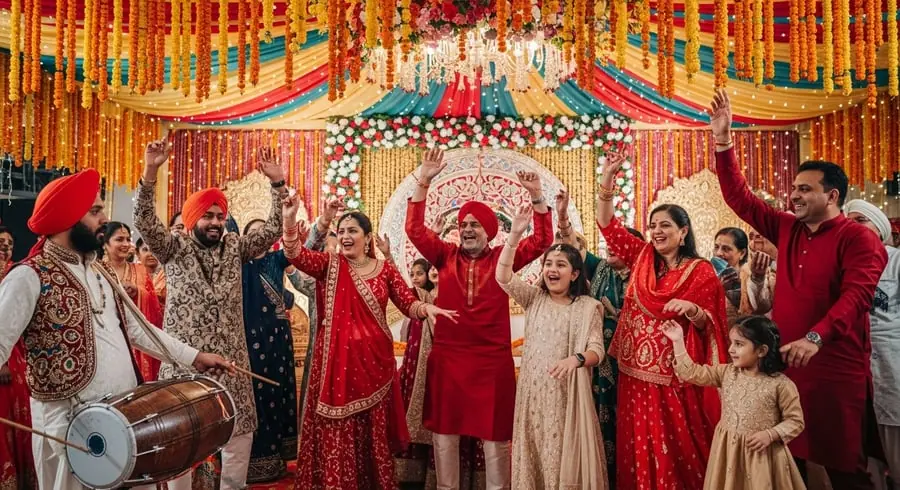
Punjabi weddings are one of the most energetic, joyful, and colourful celebrations in India. They combine powerful dhol beats, vibrant dance, deep cultural rituals, delicious Punjabi food, and emotional family traditions that make the experience unforgettable.
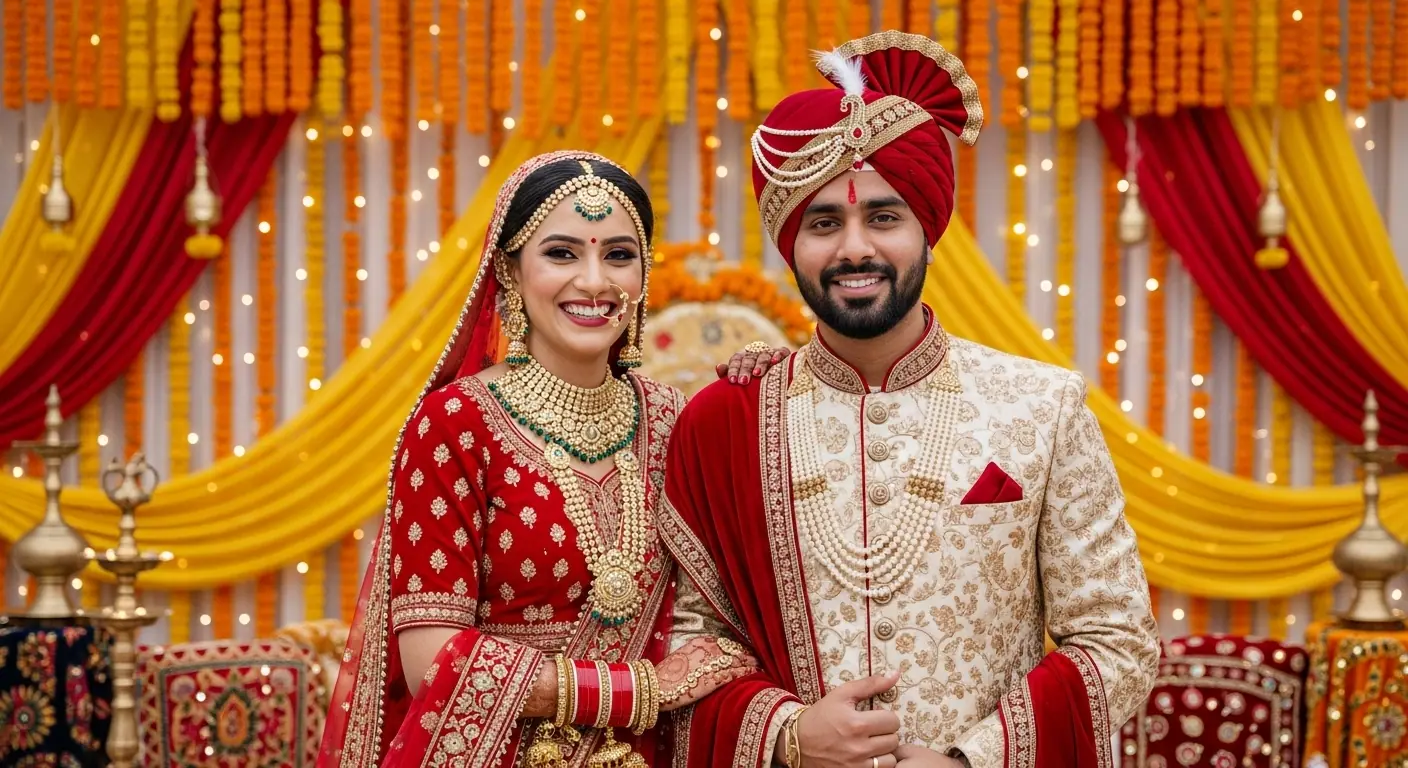
The celebrations often last 1–3 days and include symbolic rituals like Chooda ceremony, Kalire ceremony, Mehendi, Sangeet, the energetic Baraat, and the peaceful Anand Karaj in a Gurudwara or colourful Punjabi Hindu wedding rituals.
Punjabi weddings are known for their rich emotions, warm hospitality, festive decorations, colourful outfits and the joy of celebrating with family. For foreign travellers, it is one of the most lively and heartwarming cultural experiences in India.
Here's what you'll see — and often take part in — during the celebrations.
The bride receives blessed red-and-white bangles from her maternal family. This emotional ritual symbolizes luck, blessings, and the start of a new life.
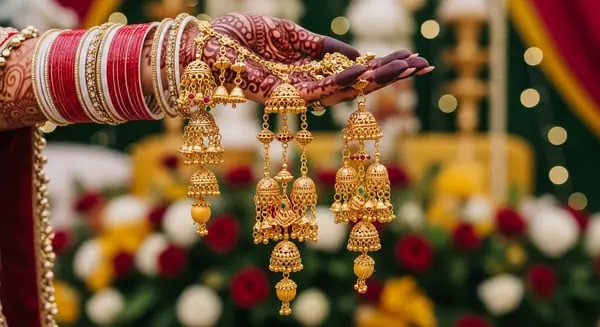
Golden ornaments tied to the bride's Chooda. Brides shake Kalire above bridesmaids — if one falls, she is believed to be the next to marry!
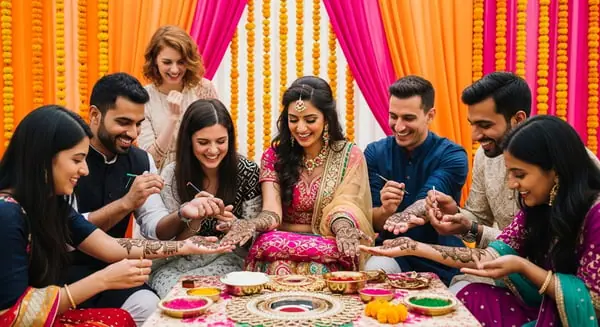
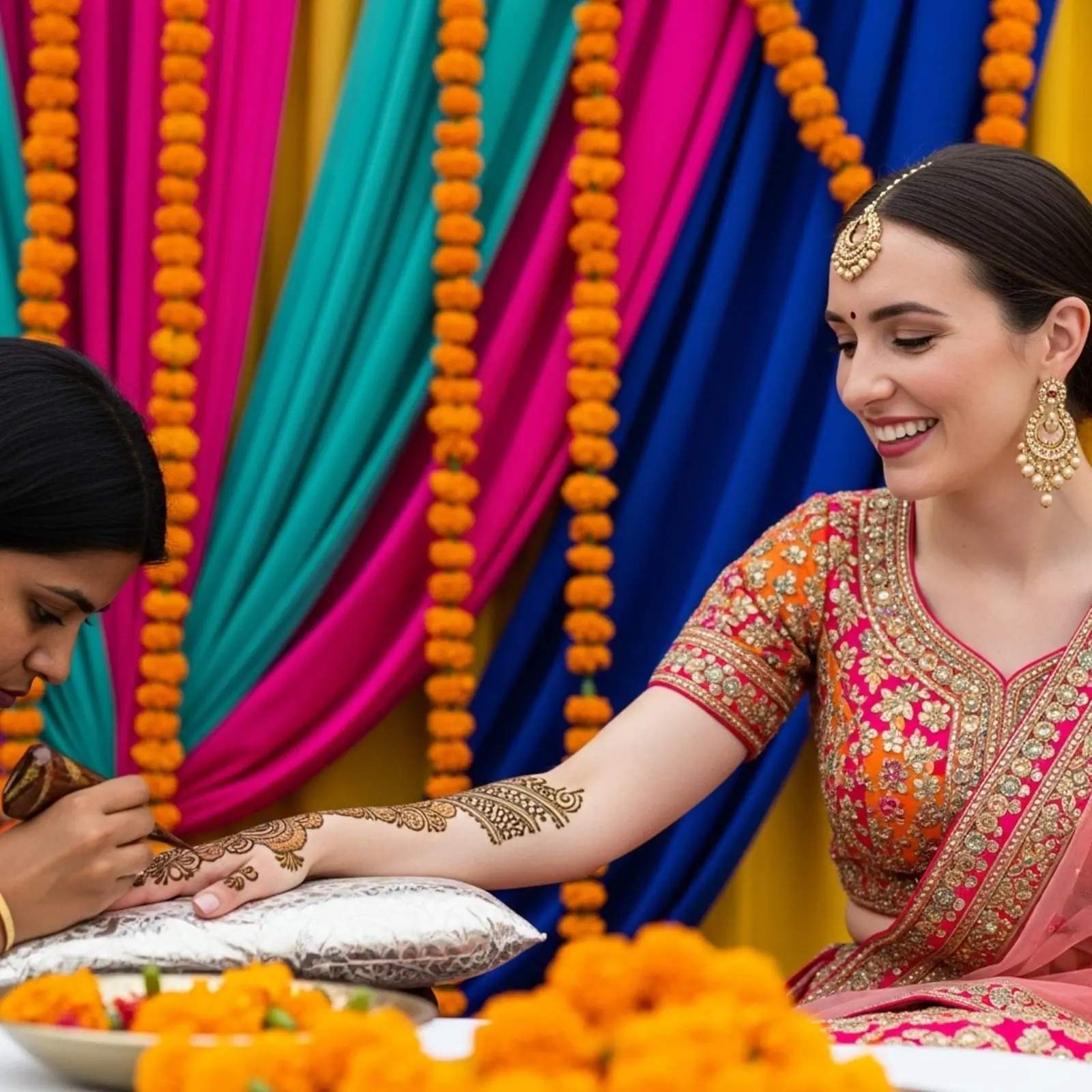
Beautiful henna designs applied to the bride while women dance and sing Punjabi folk songs.
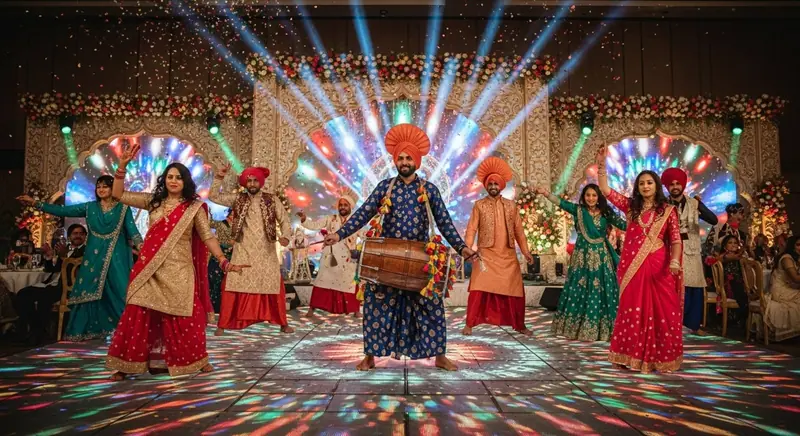
A night of Bhangra, Giddha, loud dhol beats, family performances and happy celebrations.
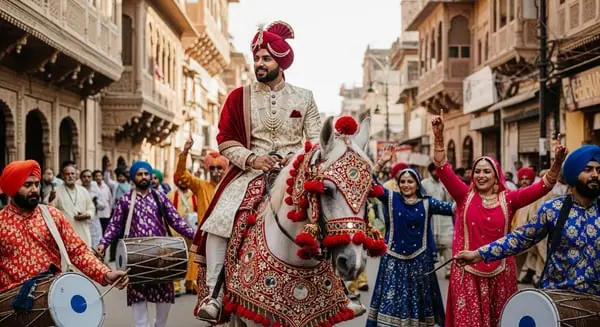
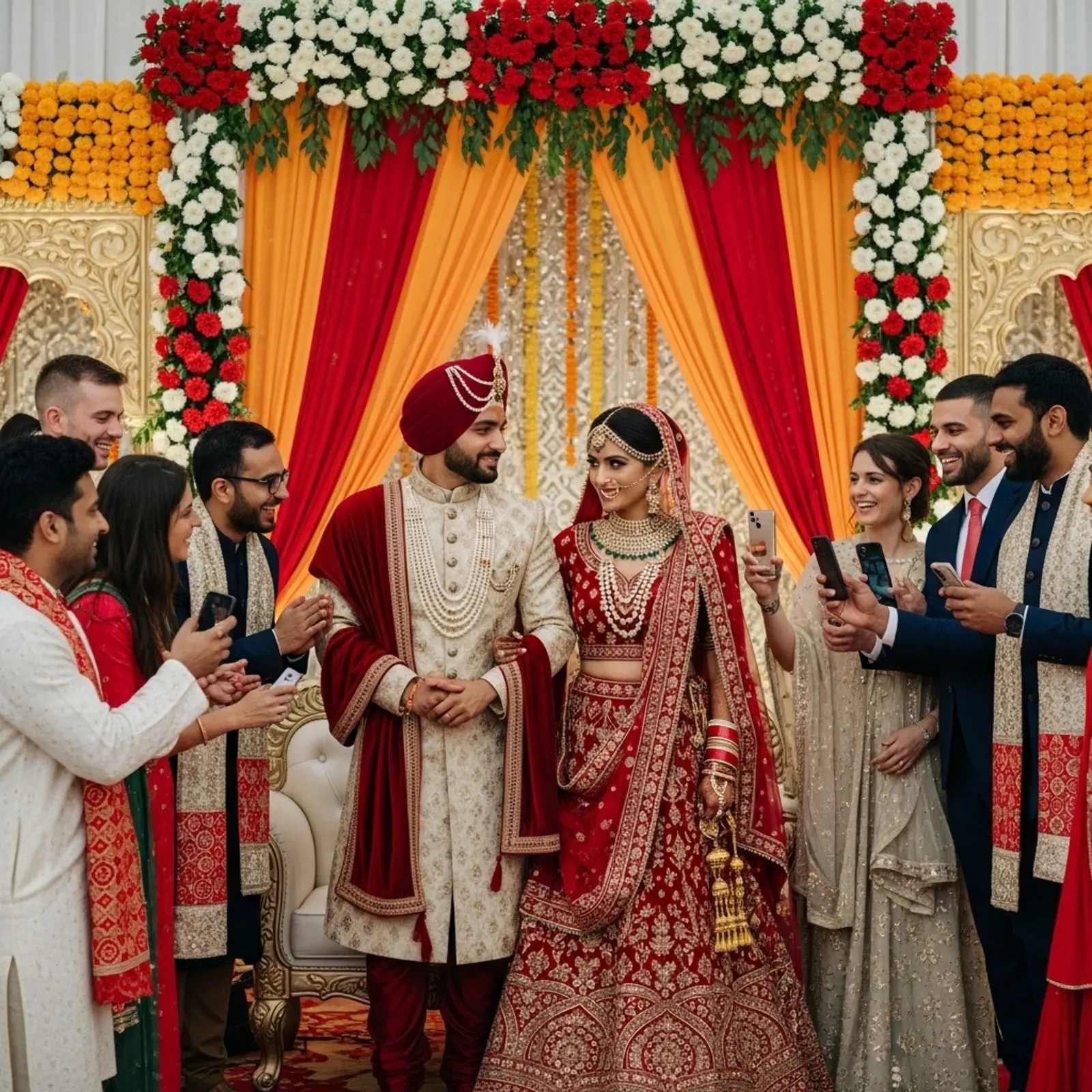
The groom arrives with an energetic dancing procession — foreigners love joining the Bhangra!
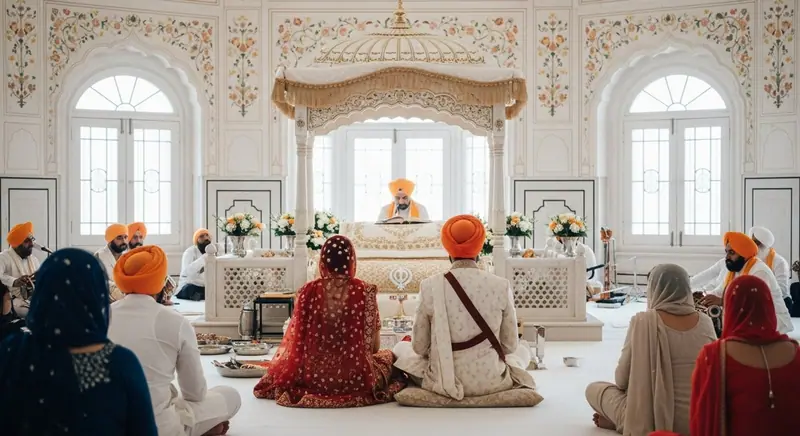
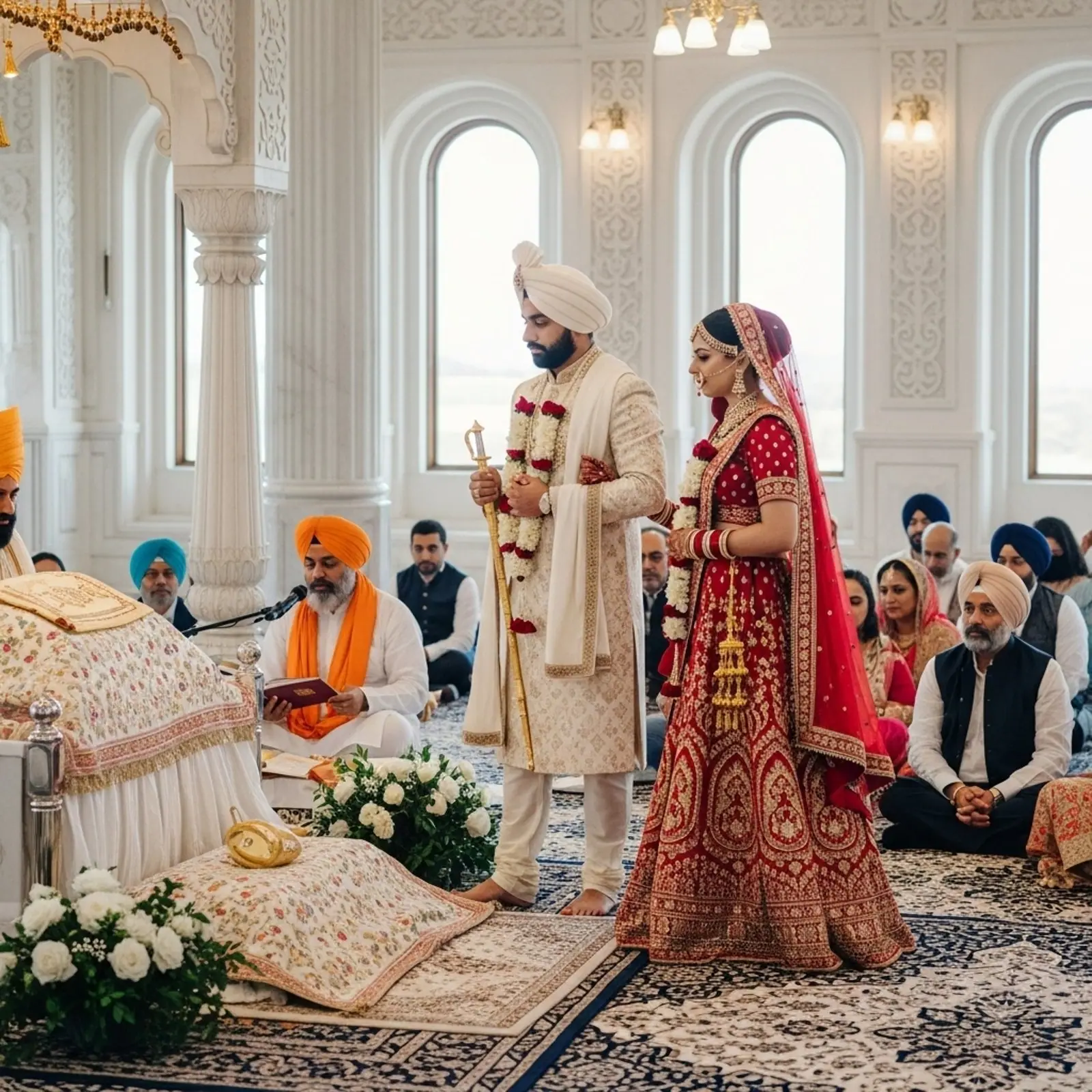
A peaceful ceremony where the couple walks around Guru Granth Sahib inside a Gurudwara.
Women wear bright Punjabi suits or lehengas, often with a phulkari dupatta. Men wear a kurta pajama with a colourful turban or patka. Everyone must cover their head inside the Gurudwara.
Sarson da saag with makki di roti, butter chicken, Amritsari kulcha, chole, tall glasses of lassi, and sweets like pinni and gajar ka halwa.
Amritsar, Ludhiana, Jalandhar, Chandigarh and Delhi NCR. Loud, joyful and non-stop dancing — the best choice if you want energy and Bhangra.
Every family is different, but most celebrations follow this rhythm. Join all three days or only the main ceremony.
Meet your host family in Amritsar, Ludhiana, Jalandhar, Chandigarh or Delhi. Afternoon Mehendi with Punjabi folk songs (boliyan); late at night the Jaggo — relatives carry a decorated pot of oil lamps through the neighbourhood, singing and dancing.
Early morning the bride receives her red-and-white Chooda bangles and the Kaleeras. The Anand Karaj — the Sikh wedding — takes place in the Gurudwara in the morning: the couple walks four times (Laavan) around the Guru Granth Sahib. Everyone covers their head and shares langar afterwards.
An evening reception with Bhangra, Giddha and a big Punjabi dinner. Many guests add a visit to the Golden Temple and the Wagah border ceremony if they are in Amritsar.
Punjabi & Sikh weddings we host usually take place in Amritsar, Ludhiana, Jalandhar, Chandigarh and Delhi NCR. The most convenient airports are:
| City | Code | Airport |
|---|---|---|
| Amritsar | ATQ | Sri Guru Ram Dass Jee International |
| Chandigarh | IXC | Chandigarh International |
| Delhi | DEL | Indira Gandhi International |
Compare fares on our flight search and ask us for hotels near the venue.
Shagun (cash in an envelope, an odd amount such as ₹1,100 + ₹1) is usual. Hand it to the couple or their parents at the reception. Sweets or dry fruits are a thoughtful extra for the family.
Full guide: Indian wedding etiquette for foreigners · what to wear.
Send us your travel dates and group size. We'll connect you with a welcoming family, help with traditional attire and brief you on every ritual.
We reply within 24 hours.
Anand Karaj, the Sikh wedding ceremony, has been recognised in Indian law since the Anand Marriage Act of 1909. The couple walks four times around the Guru Granth Sahib while the four laavan hymns are sung in a Gurudwara. Guests of every faith are welcome, and everyone covers their head and removes their shoes before entering.
A Punjabi wedding is best attended between November and February, when most ceremonies take place in Punjab, Delhi NCR and Chandigarh. Typical events are Chooda and Kalire, Mehendi, Sangeet, the Baraat and — in Sikh families — the Anand Karaj in a Gurudwara. NamasteTrip replies to every wedding tour enquiry within 24 hours.
Most foreign travellers need a visa to visit India. The Government of India’s official e-Visa portal offers e-Tourist visas valid for 30 days, 1 year or 5 years, and applications must be submitted at least 4 days before arrival. NamasteTrip does not issue visas, so apply only on the official website, indianvisaonline.gov.in.
Last reviewed on 6 October 2026 by the NamasteTrip team.
Still have a question? Message us on WhatsApp — a real person replies.
Punjabi weddings are famous for their energy — loud dhol beats, Bhangra and Giddha dancing, rich Punjabi food and warm hospitality — along with rituals like the Chooda and Kalire ceremonies.
The Anand Karaj is the Sikh wedding ceremony. The couple walks four times around the Guru Granth Sahib inside a Gurudwara while hymns are sung. Guests cover their heads, remove shoes and sit on the floor.
Absolutely — foreign guests are almost always pulled into the Bhangra during the Baraat and Sangeet.
It depends on the family. The Anand Karaj in the Gurudwara is strictly alcohol-free; some receptions serve drinks.
Sarson da saag with makki di roti, butter chicken, Amritsari kulcha, chole, tall glasses of lassi, and sweets like pinni and gajar ka halwa.
Women wear bright Punjabi suits or lehengas, often with a phulkari dupatta. Men wear a kurta pajama with a colourful turban or patka. Everyone must cover their head inside the Gurudwara.
Shagun (cash in an envelope, an odd amount such as ₹1,100 + ₹1) is usual. Hand it to the couple or their parents at the reception. Sweets or dry fruits are a thoughtful extra for the family.
Depending on the city: Amritsar – Sri Guru Ram Dass Jee International (ATQ); Chandigarh – Chandigarh International (IXC); Delhi – Indira Gandhi International (DEL).
Usually 1–3 days. A typical plan: Day 1: Mehendi & Jaggo; Day 2: Chooda & Anand Karaj; Day 3: Reception & Doli. You can join all days or only the main ceremony.
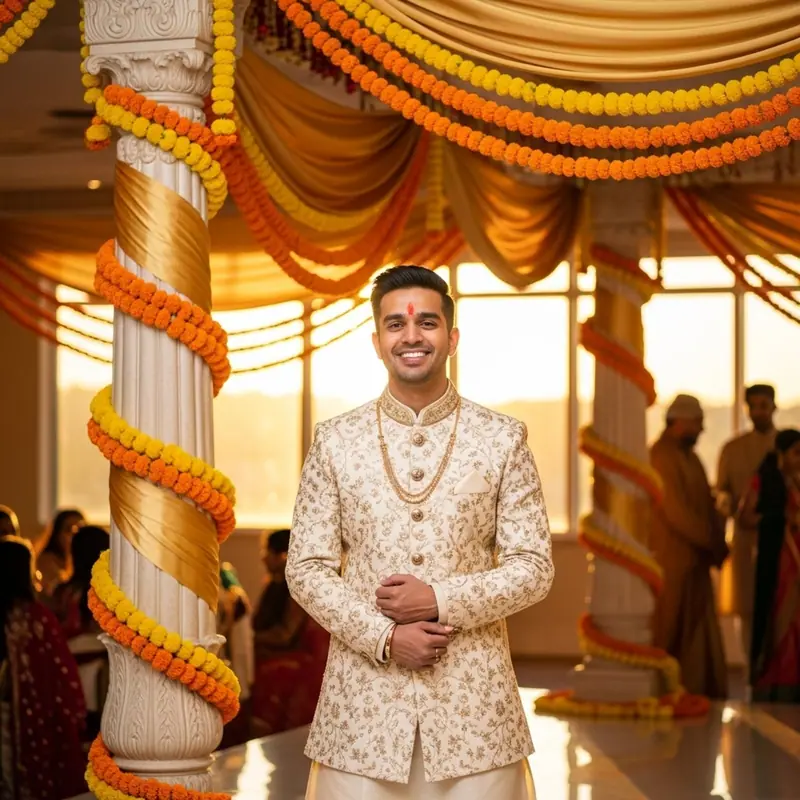
Baraat, pheras, sindoor, lavish décor and vibrant rituals. Popular in Delhi, UP & MP.
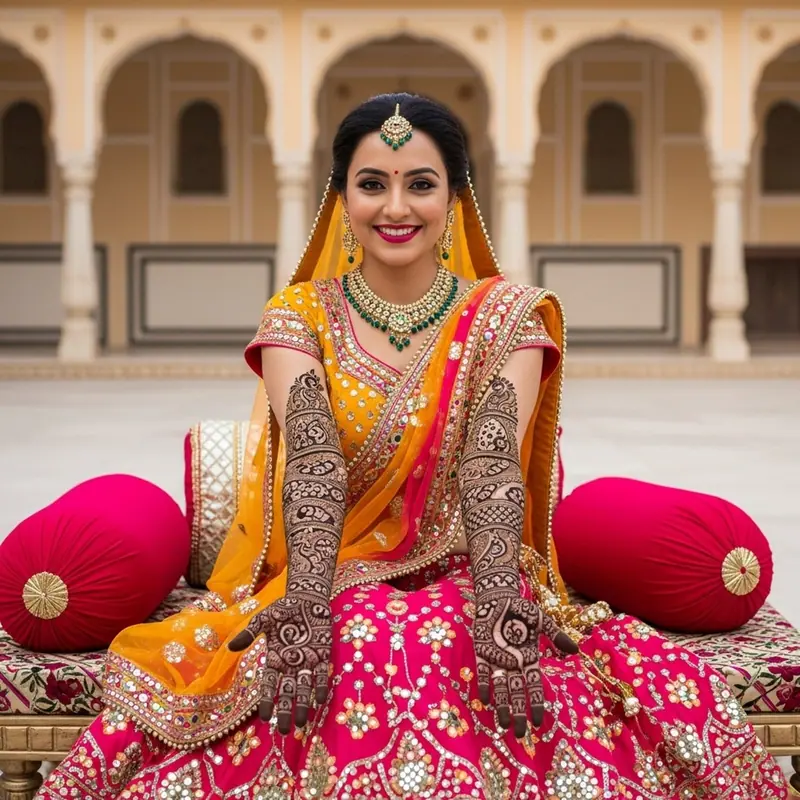
Fort palaces, royal attire, traditional folk music and grand heritage ceremonies.
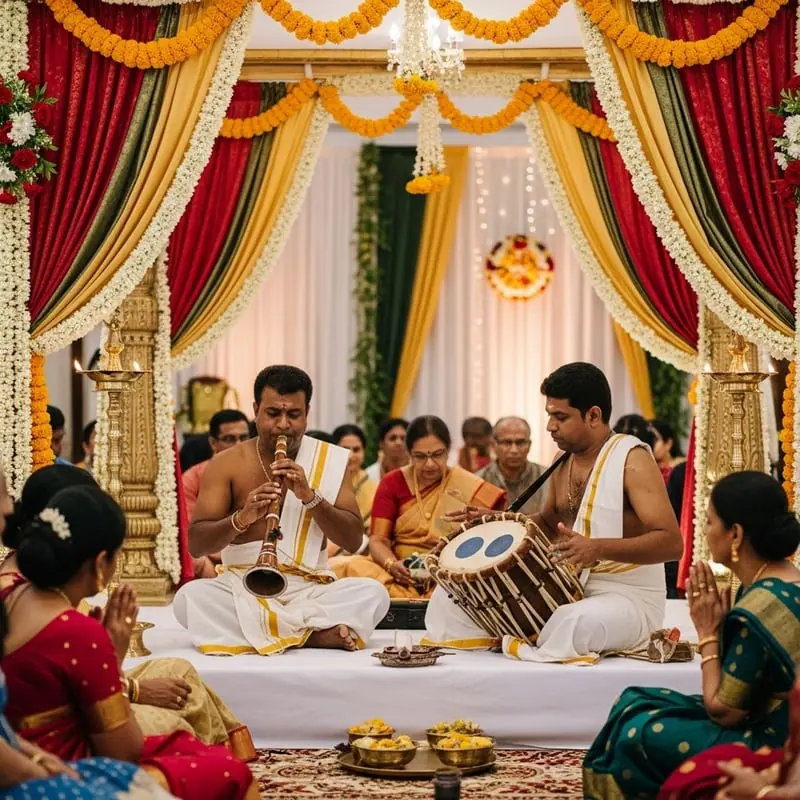
Temple rituals, silk sarees, jasmine flowers, and an authentic cultural experience.