 NamasteTrip
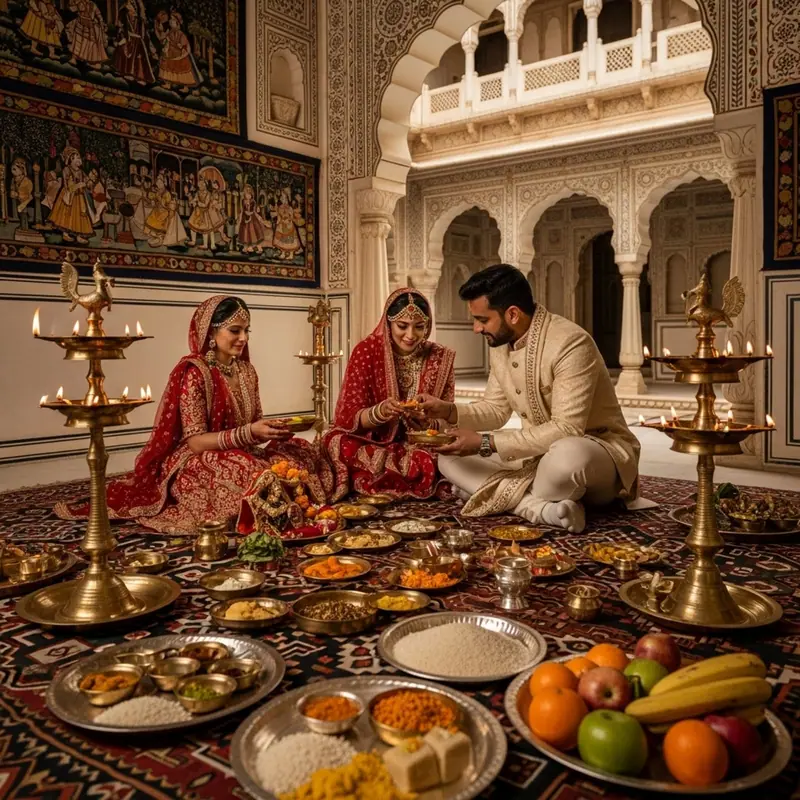
Ritual 1
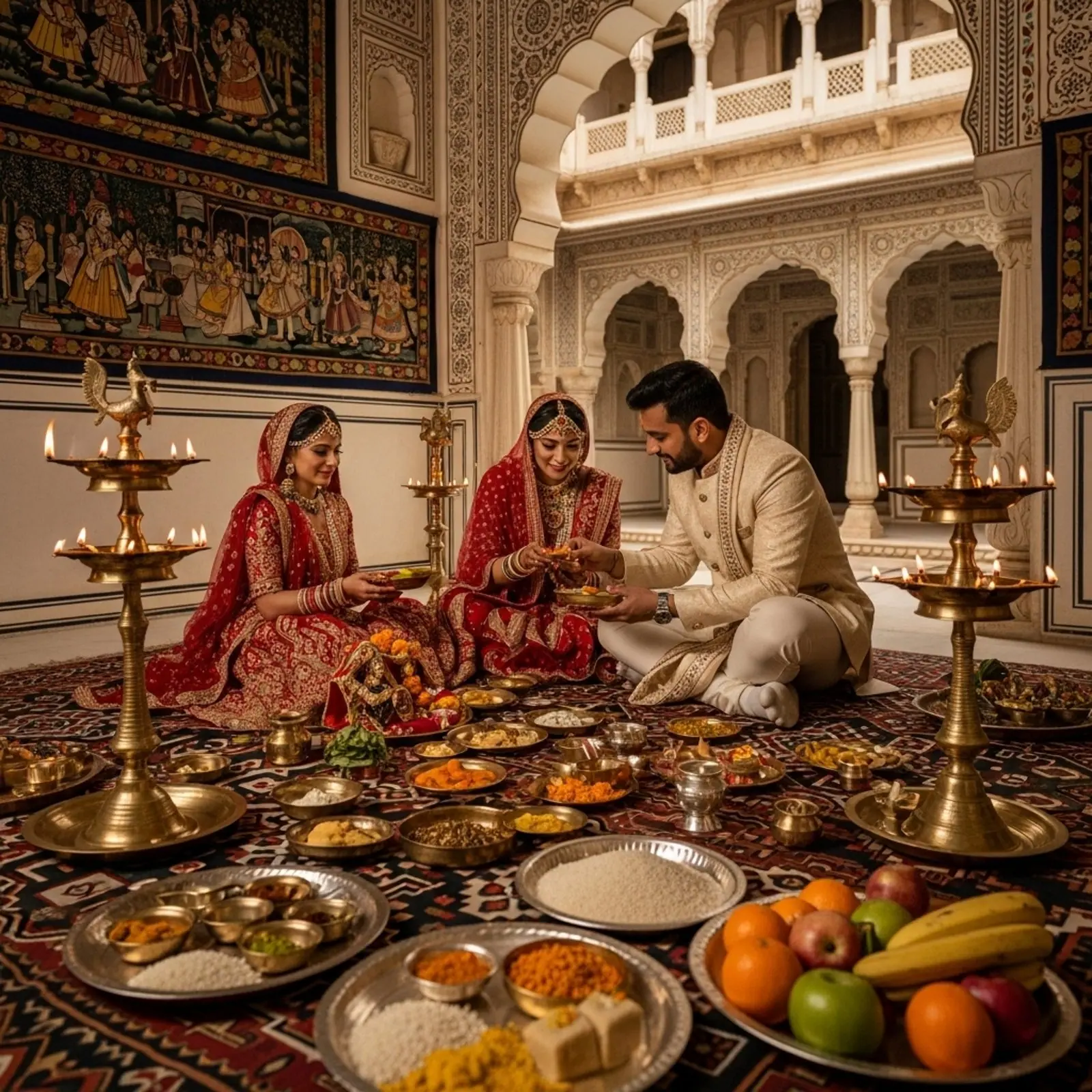
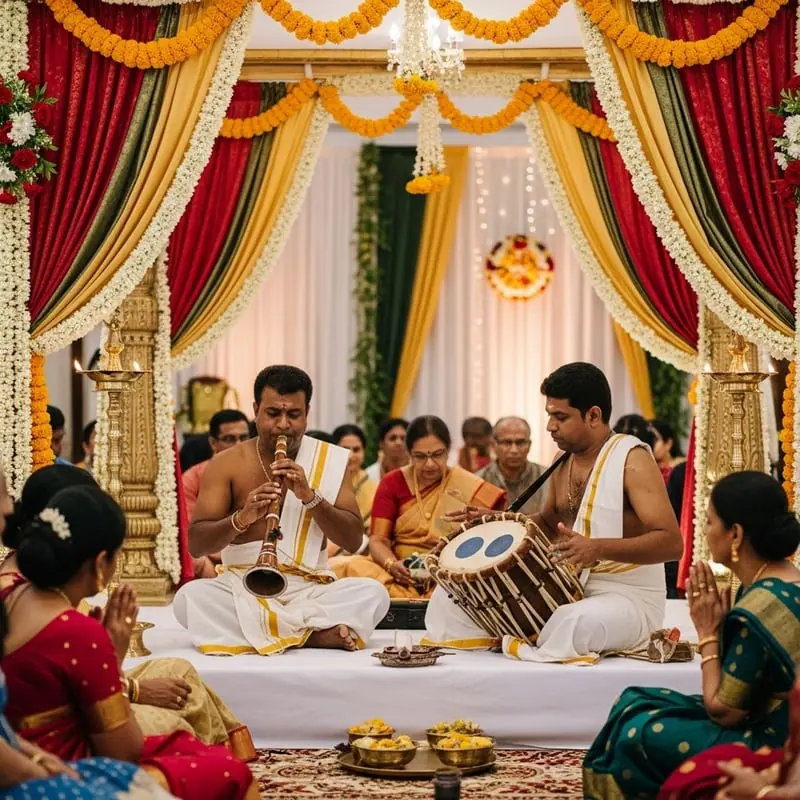
🙏 Ganesh Pooja
A holy ritual seeking blessings from Lord Ganesha for a problem-free wedding ceremony.
Experience the grandeur of a real Rajasthani royal-style wedding. Witness majestic palaces, traditional folk music, colourful attire, royal processions, and sacred wedding rituals from the land of kings.
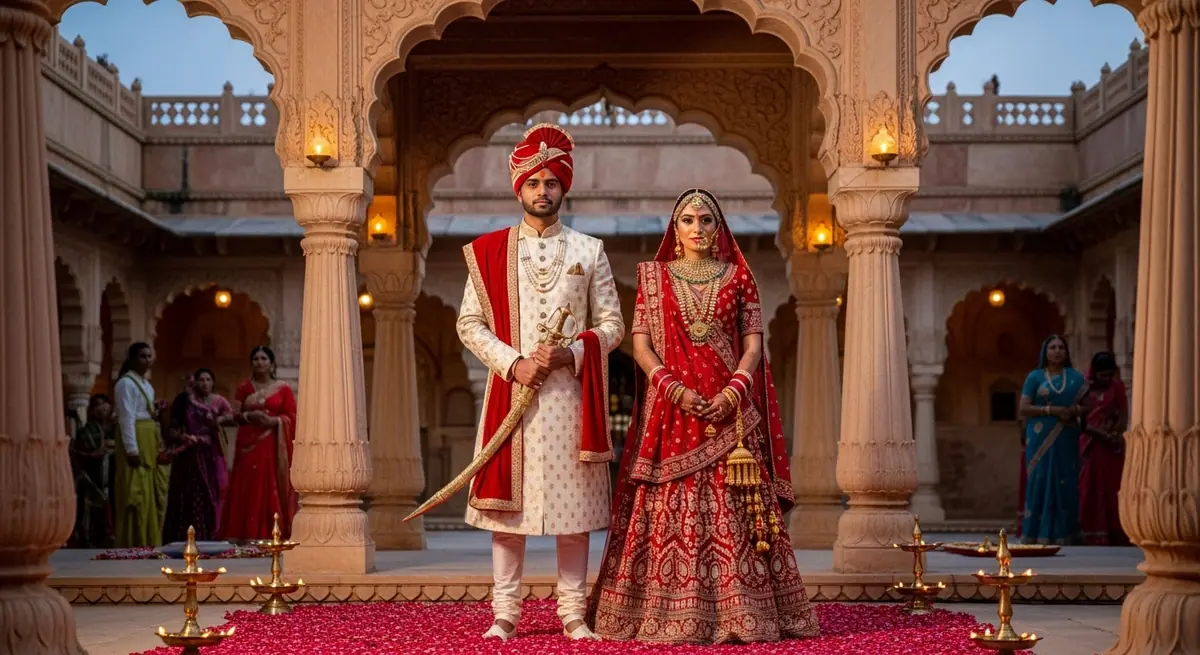
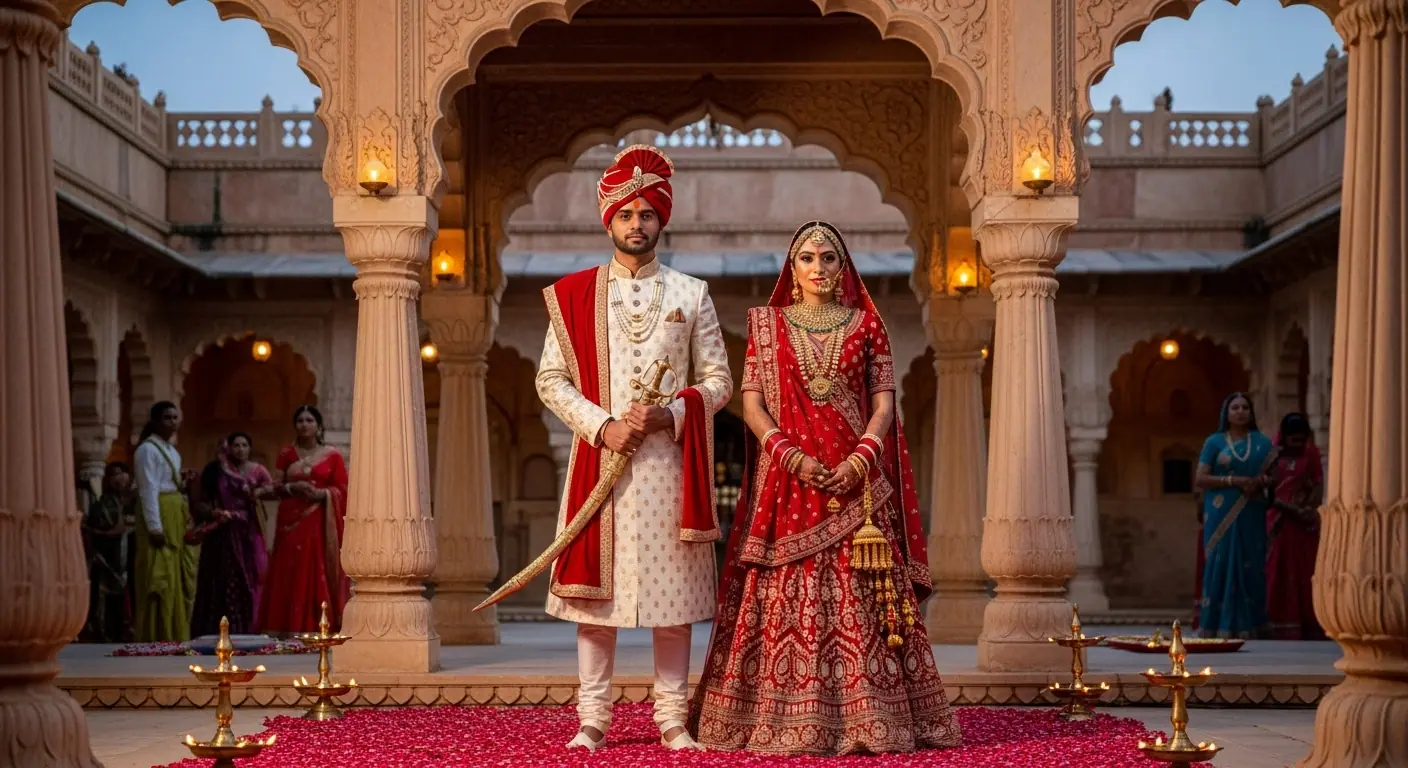
A Rajasthani wedding is inspired by the royal traditions of the Rajput kings. Known for its grand palaces, colourful rituals, traditional folk dances, and vibrant attire, it is one of the most majestic wedding styles in India.
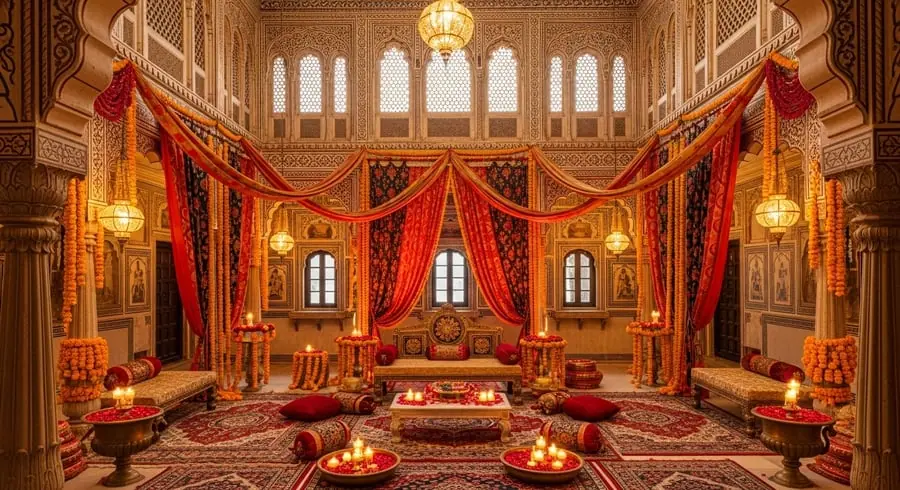
A Rajasthani wedding is inspired by the royal traditions of the Rajput kings. Known for its grand palaces, colourful rituals, traditional folk dances, and vibrant attire, it is one of the most majestic wedding styles in India.
The celebrations usually last 1–3 days and include beautiful rituals like Ganesh Pooja, Haldi, Mehendi, Sangeet, the iconic Rajput-style Baraat, and the sacred Agni Pheras.
Rajasthani weddings are famous for their royal hospitality, folk performances like Ghoomar & Kachhi Ghodi dance, traditional Rajasthani cuisine, and palace-style decorations. For international guests, it feels like living a royal fairytale.
Here's what you'll see — and often take part in — during the celebrations.
A holy ritual seeking blessings from Lord Ganesha for a problem-free wedding ceremony.
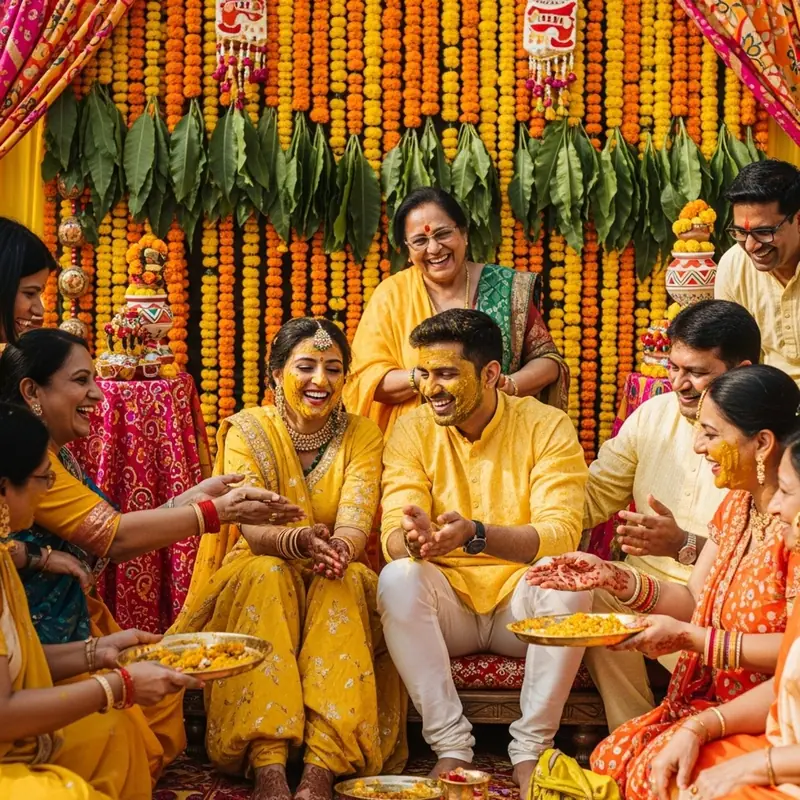
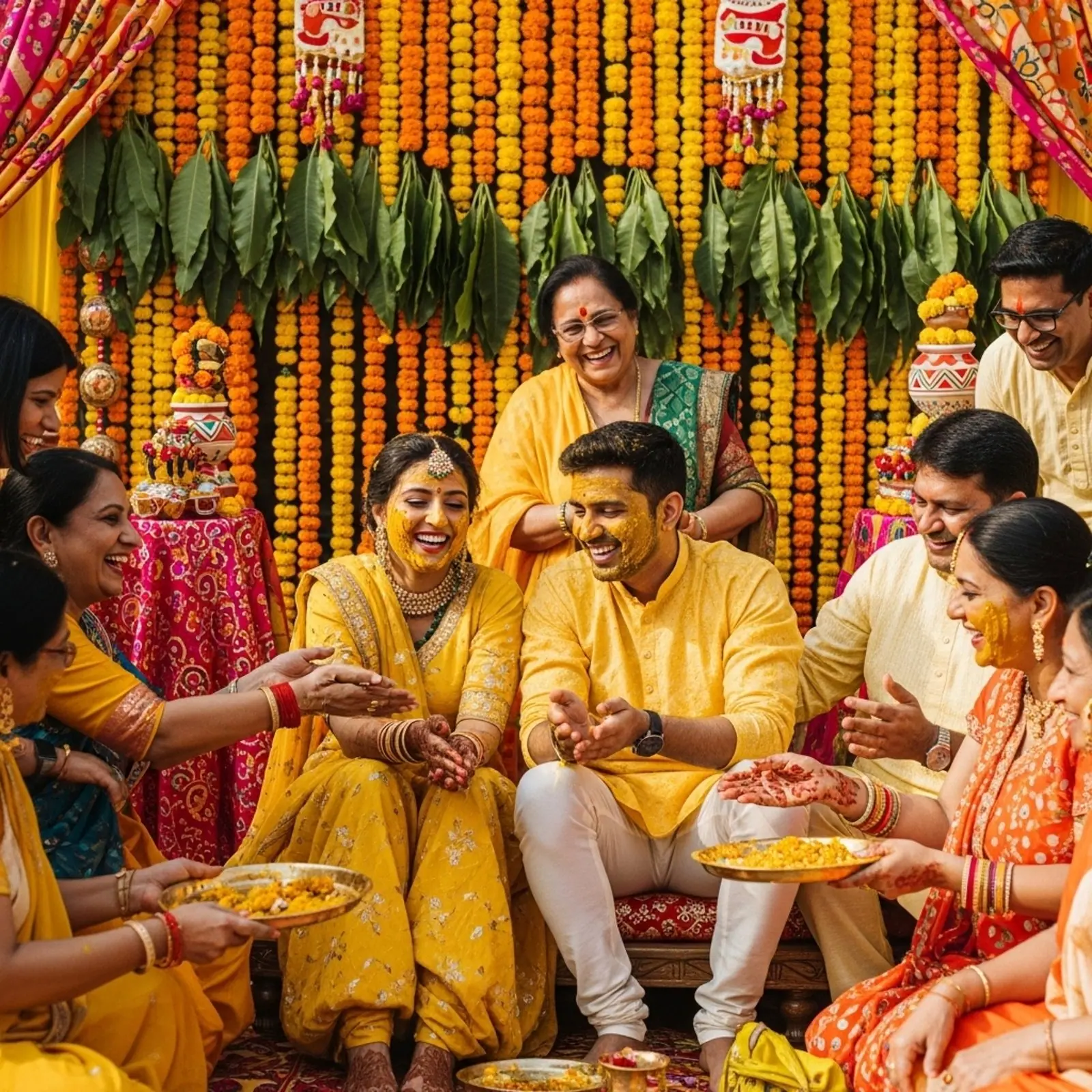
Turmeric paste is applied to the bride and groom for good luck, blessings and glowing skin.
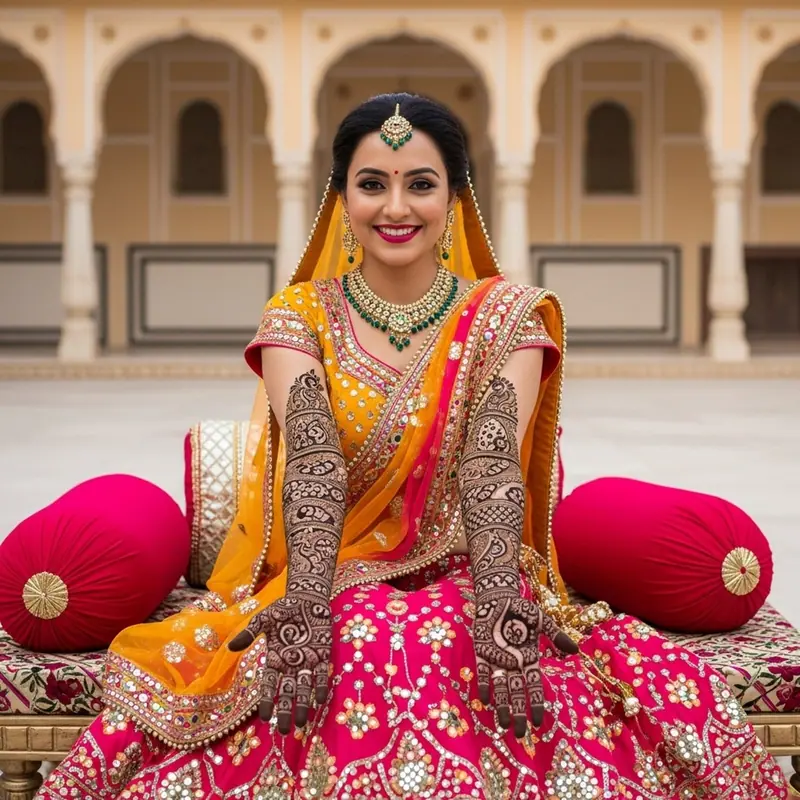
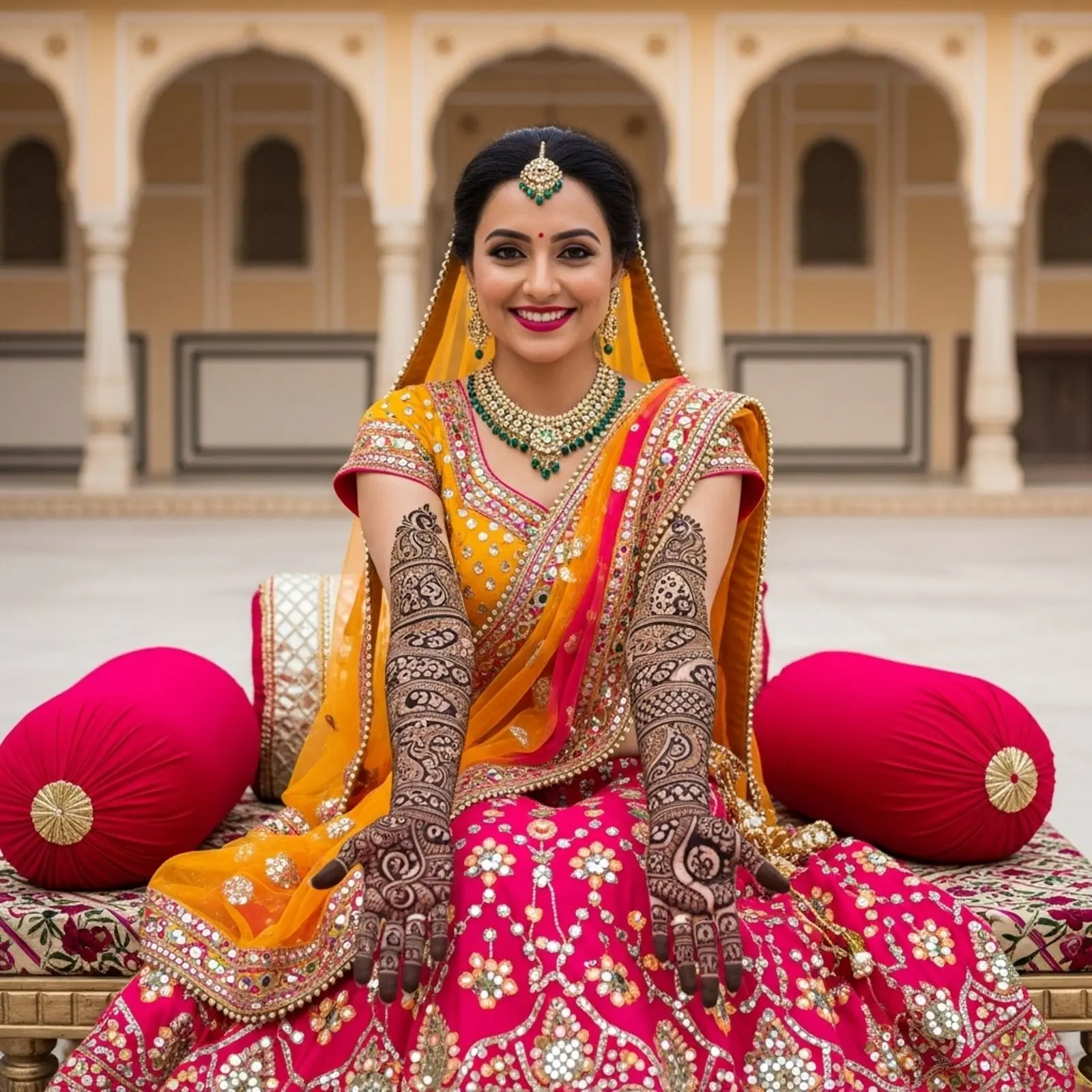
Beautiful henna designs applied amid Rajasthani folk songs & traditional dance.
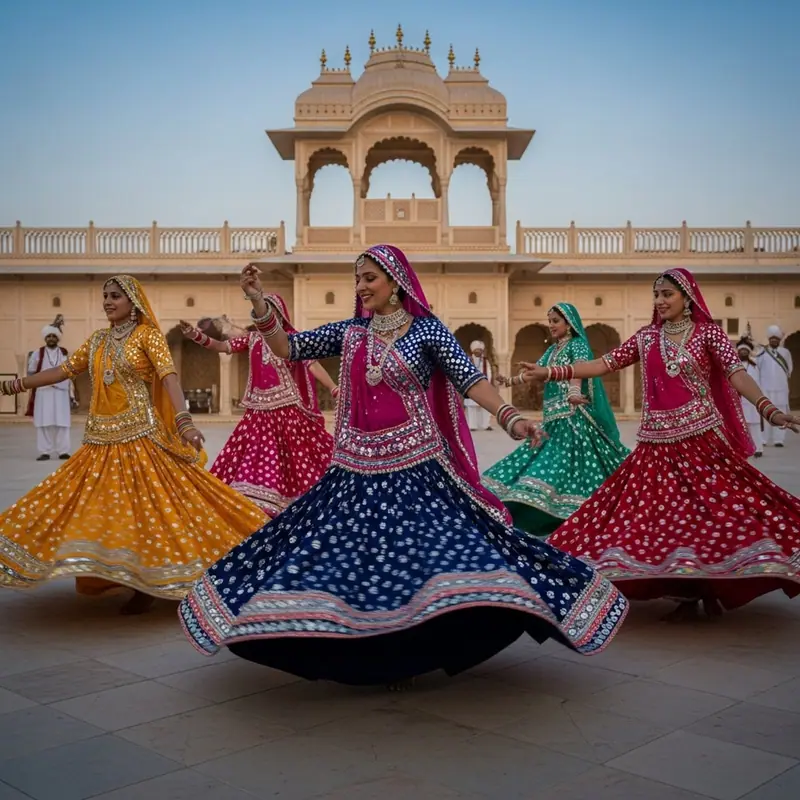
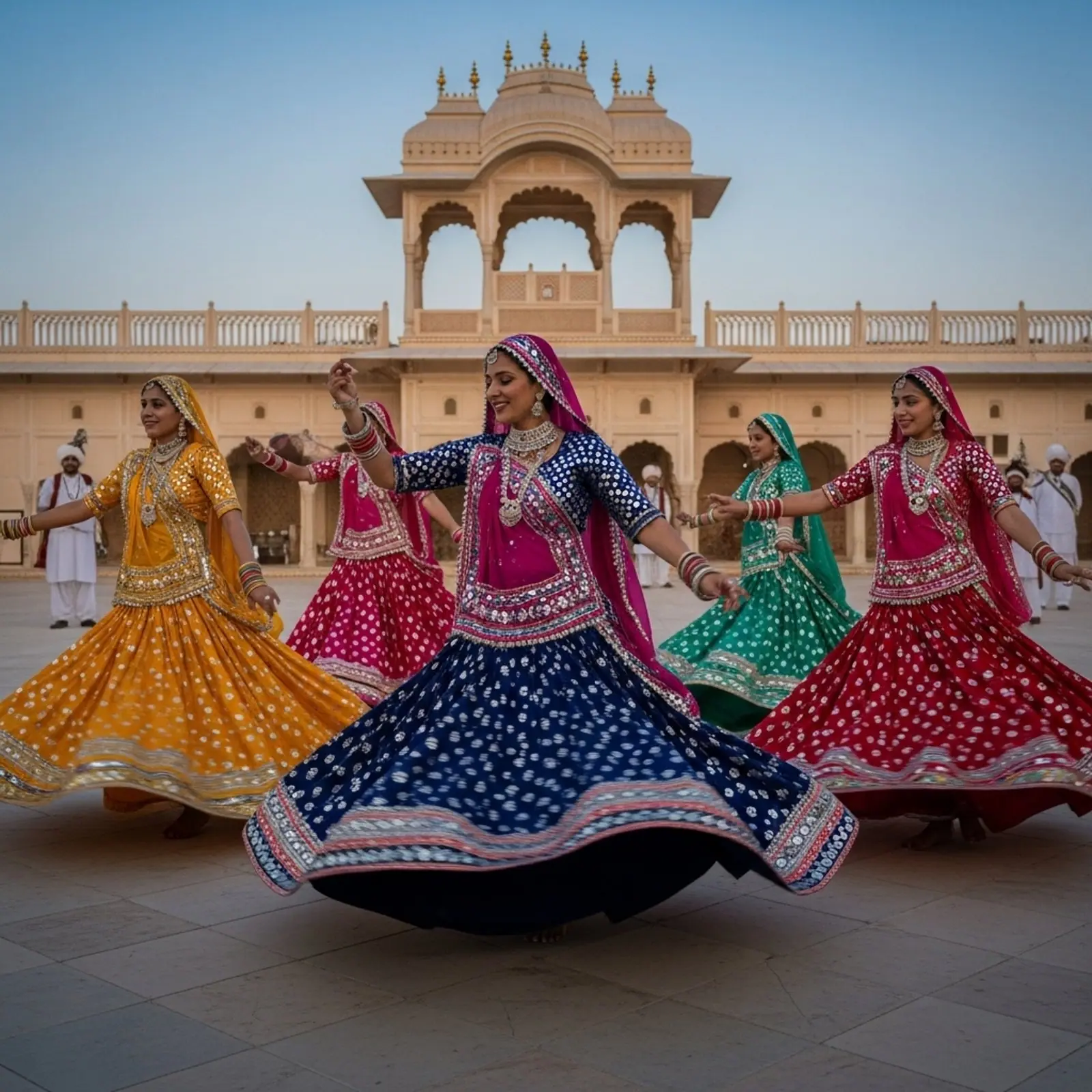
Women perform the traditional Ghoomar dance while musicians play Rajasthani folk tunes.
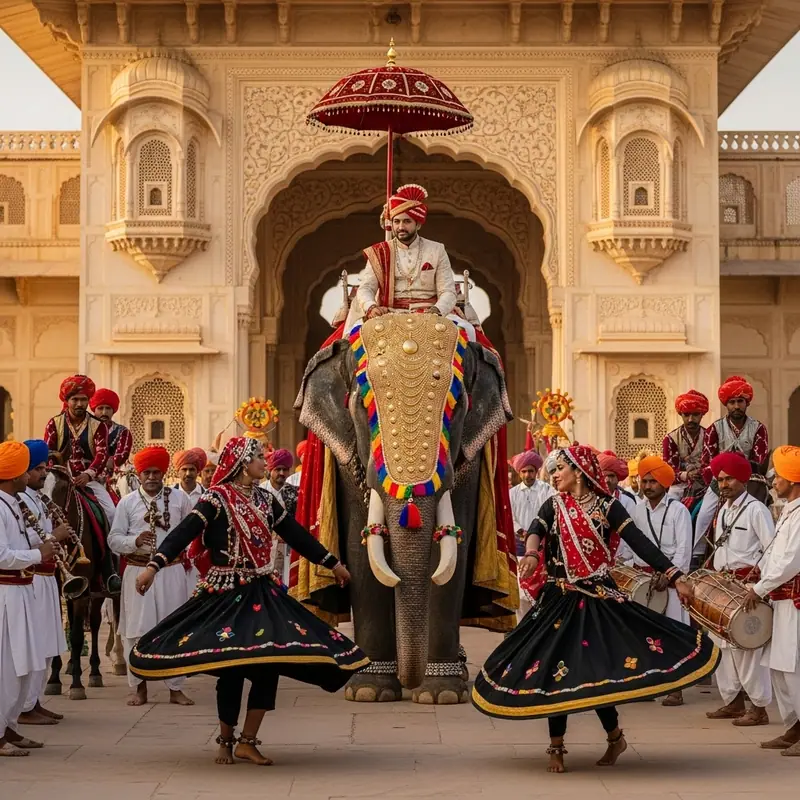
The groom arrives on a decorated horse or elephant with folk dancers, horses, and royal guards.
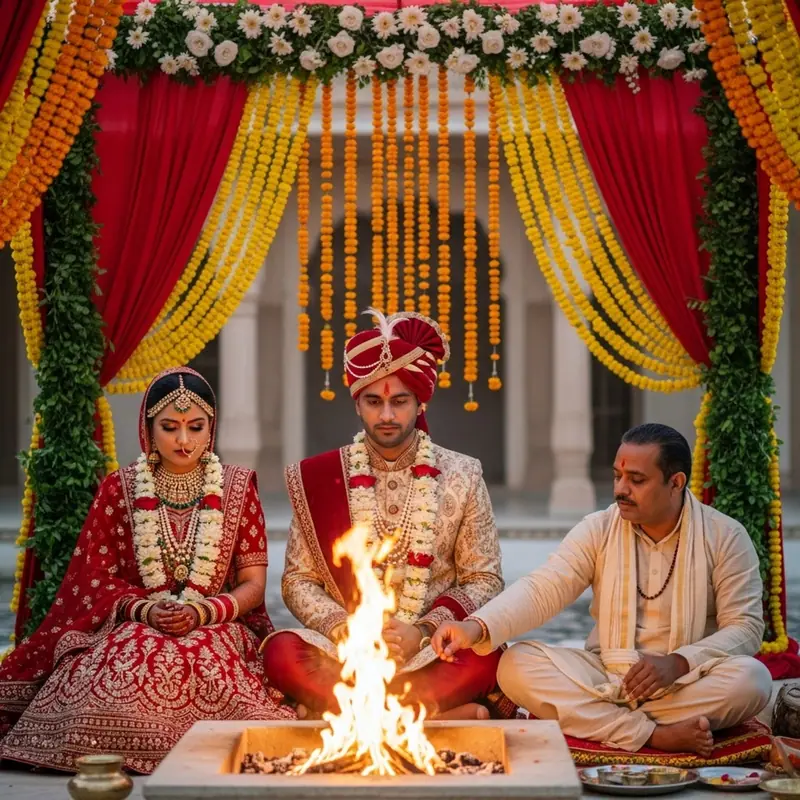
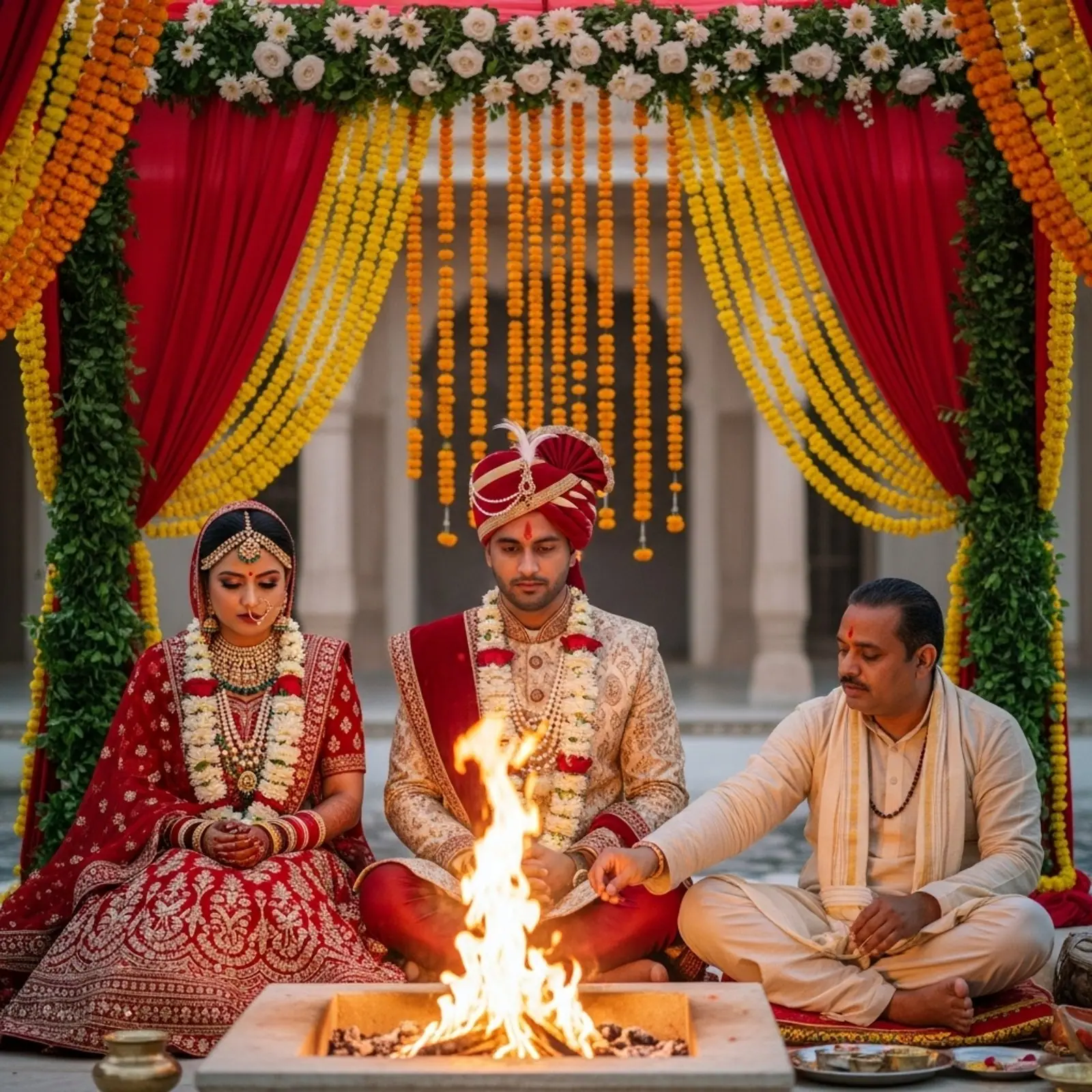
The couple circles the holy fire while mantras are chanted — the most spiritual moment of the wedding.
Women wear leheriya or bandhani sarees and lehengas in rich colours. Men wear a bandhgala or sherwani with a safa (Rajasthani turban) — hosts often help tie it.
Dal baati churma, gatte ki sabzi, ker sangri, laal maas in non-veg homes, and desserts like ghevar and malpua.
Jaipur, Udaipur, Jodhpur, Jaisalmer and heritage havelis across Rajasthan. Regal and cinematic — palaces, folk musicians, Ghoomar dancers and a Baraat that can arrive on a horse or elephant.
Every family is different, but most celebrations follow this rhythm. Join all three days or only the main ceremony.
Arrive in Jaipur, Udaipur or Jodhpur and meet the family in their home or haveli. Traditional welcome with a tilak and marigold garlands, then a Mehendi afternoon with Rajasthani folk songs.
Morning Pithi Dastoor, the Rajasthani Haldi. In the evening the Sangeet features Ghoomar dancers, folk musicians and puppet shows. Hosts help male guests tie a colourful safa (turban).
The groom's Baraat arrives with a band — sometimes on a decorated horse. After the Varmala (garland exchange) and a royal Rajasthani dinner, the Pheras take place around the sacred fire. Add a morning at Amber Fort, City Palace or Lake Pichola.
Rajasthani Royal weddings we host usually take place in Jaipur, Udaipur, Jodhpur, Jaisalmer and heritage havelis across Rajasthan. The most convenient airports are:
| City | Code | Airport |
|---|---|---|
| Jaipur | JAI | Jaipur International |
| Udaipur | UDR | Maharana Pratap Airport |
| Jodhpur | JDH | Jodhpur Airport |
Compare fares on our flight search and ask us for hotels near the venue.
Guests usually give shagun in an envelope, often with an odd amount for luck. Handicrafts or a souvenir from your country make a lovely personal gift for the host family.
Full guide: Indian wedding etiquette for foreigners · what to wear.
Send us your travel dates and group size. We'll connect you with a welcoming family, help with traditional attire and brief you on every ritual.
We reply within 24 hours.
Rajasthan’s wedding venues sit among some of India’s best-protected heritage. Six Hill Forts of Rajasthan — Chittorgarh, Kumbhalgarh, Ranthambore, Gagron, Amber and Jaisalmer — were inscribed as a UNESCO World Heritage Site in 2013, and the walled city of Jaipur followed in 2019. Kalbelia folk dance, often performed at Rajasthani celebrations, joined UNESCO’s intangible heritage list in 2010.
Rajasthani royal weddings are most popular from October to March, when the desert is cool and palace and heritage venues in Jaipur, Udaipur and Jodhpur are at their best. Typical events are Ganesh Pooja, Haldi, Mehendi, a Ghoomar Sangeet, the Royal Baraat and the Agni Pheras. NamasteTrip shares a written quote after you send your dates.
The saptapadi — seven steps taken by the bride and groom together before the sacred fire — is the legal heart of a Hindu wedding. Under Section 7 of India’s Hindu Marriage Act, 1955, a marriage solemnised with this rite becomes complete and binding when the seventh step is taken. Guests on a NamasteTrip wedding tour watch this moment with a guide who explains each ritual.
Most foreign travellers need a visa to visit India. The Government of India’s official e-Visa portal offers e-Tourist visas valid for 30 days, 1 year or 5 years, and applications must be submitted at least 4 days before arrival. NamasteTrip does not issue visas, so apply only on the official website, indianvisaonline.gov.in.
Last reviewed on 6 October 2026 by the NamasteTrip team.
Still have a question? Message us on WhatsApp — a real person replies.
A wedding inspired by the traditions of the Rajput kings — palace or heritage venues, royal attire, folk performances like Ghoomar and Kachhi Ghodi, and a grand Baraat on a decorated horse or elephant.
October to March, when Rajasthan's weather is cool and pleasant. See our Indian wedding season guide.
Jaipur, Udaipur and Jodhpur are the most popular, with many palace hotels and havelis.
Traditional Rajasthani dishes such as dal baati churma, gatte ki sabzi and ker sangri, along with sweets like ghevar.
Dal baati churma, gatte ki sabzi, ker sangri, laal maas in non-veg homes, and desserts like ghevar and malpua.
Women wear leheriya or bandhani sarees and lehengas in rich colours. Men wear a bandhgala or sherwani with a safa (Rajasthani turban) — hosts often help tie it.
Guests usually give shagun in an envelope, often with an odd amount for luck. Handicrafts or a souvenir from your country make a lovely personal gift for the host family.
Depending on the city: Jaipur – Jaipur International (JAI); Udaipur – Maharana Pratap Airport (UDR); Jodhpur – Jodhpur Airport (JDH).
Usually 1–3 days. A typical plan: Day 1: Welcome & Mehendi; Day 2: Haldi (Pithi) & Sangeet; Day 3: Baraat, Varmala & Pheras. You can join all days or only the main ceremony.
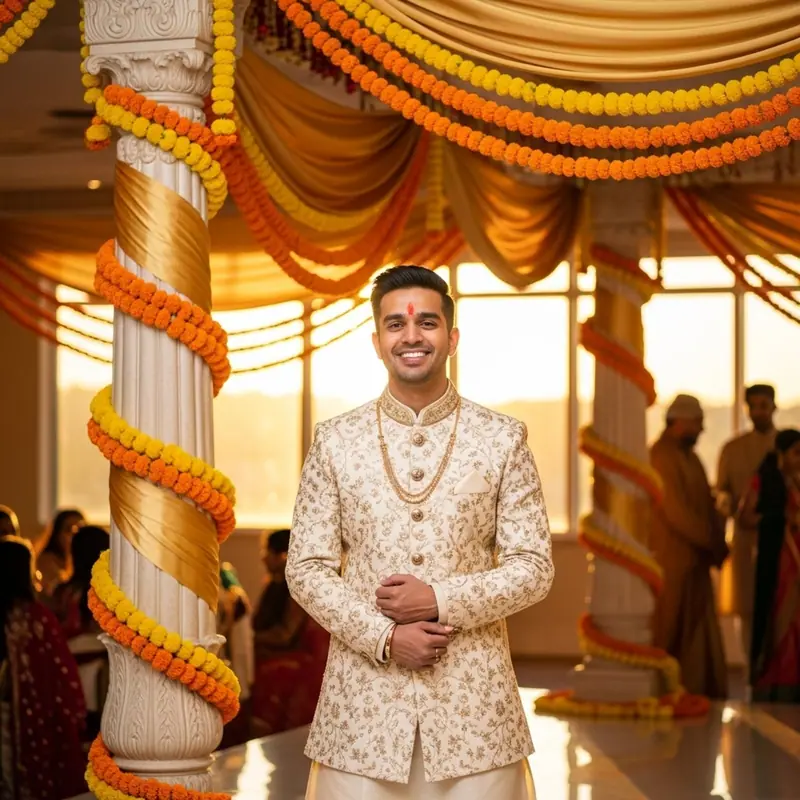
Baraat, pheras, sindoor, lavish décor and vibrant rituals. Popular in Delhi, UP & MP.
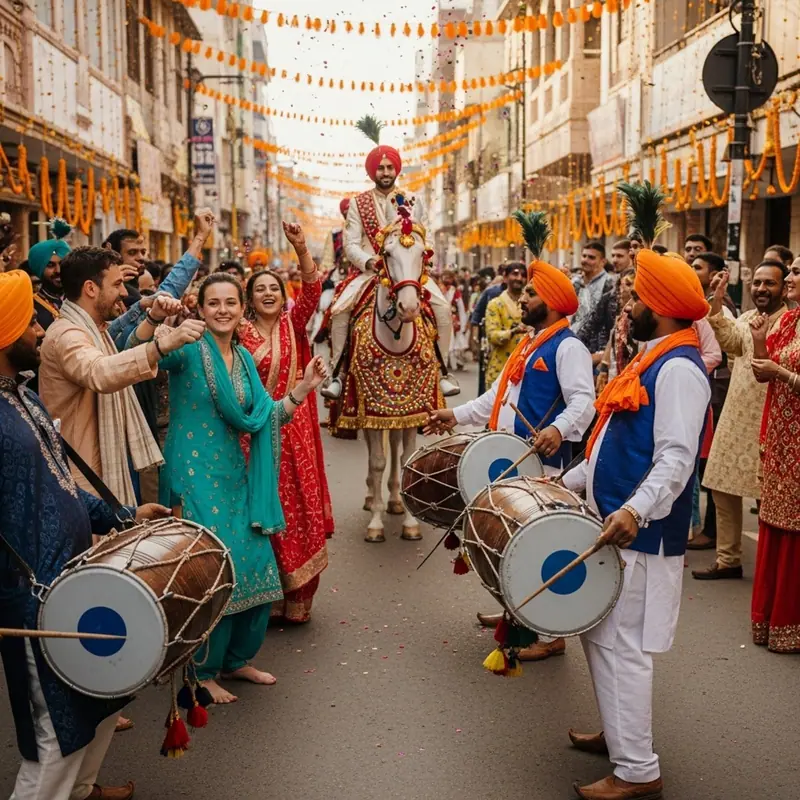
High-energy bhangra, dhol, Anand Karaj (Sikh ceremony), fun and celebration.
Temple rituals, silk sarees, jasmine flowers, and an authentic cultural experience.