 NamasteTrip
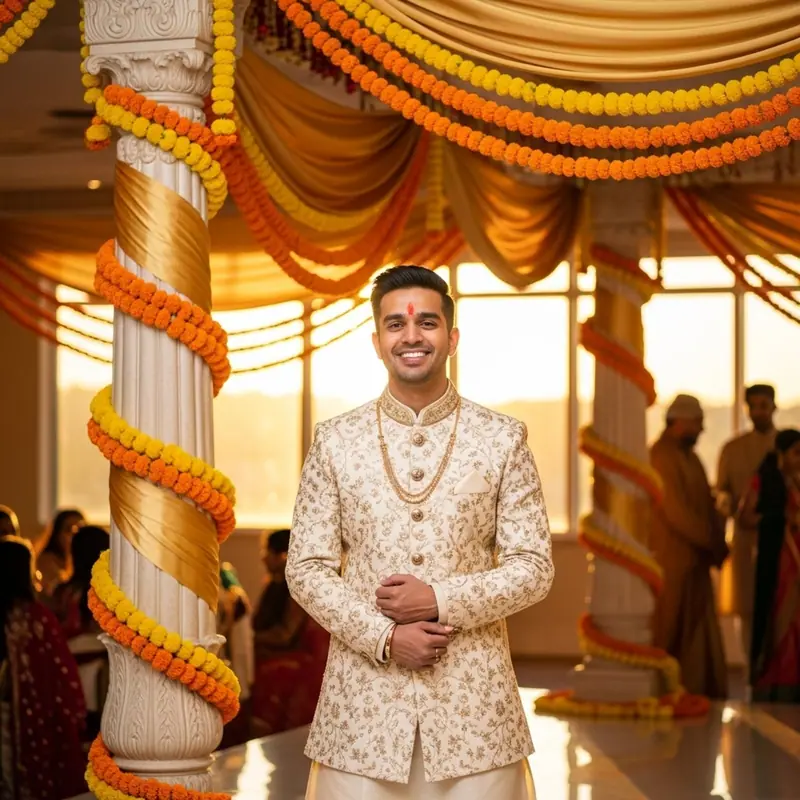
North Indian Wedding
Baraat, pheras, sindoor, lavish décor and vibrant rituals. Popular in Delhi, UP & MP.
HaldiMehendiSangeetBaraatPheras
Explore this wedding Join a real Indian wedding and experience the colours, rituals, celebrations and cultural traditions of India. Enjoy haldi, mehendi, sangeet, food, music and dance with local families.
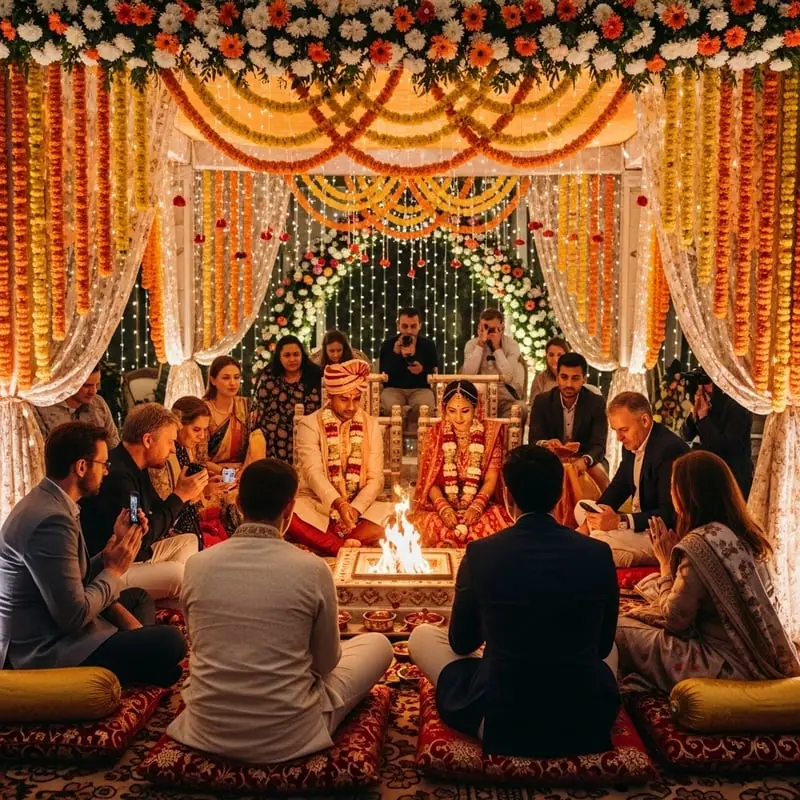
Yes. NamasteTrip arranges for international travellers to attend real Indian weddings as invited guests of local families. You take part in pre-wedding rituals like Haldi, Mehendi and Sangeet, dance in the Baraat procession, witness the sacred ceremony and share the wedding feast — while we handle the family match, briefing, traditional dress and support.
India has many beautiful wedding traditions. Choose the wedding style you want to attend and learn about its cultural experience.
Baraat, pheras, sindoor, lavish décor and vibrant rituals. Popular in Delhi, UP & MP.
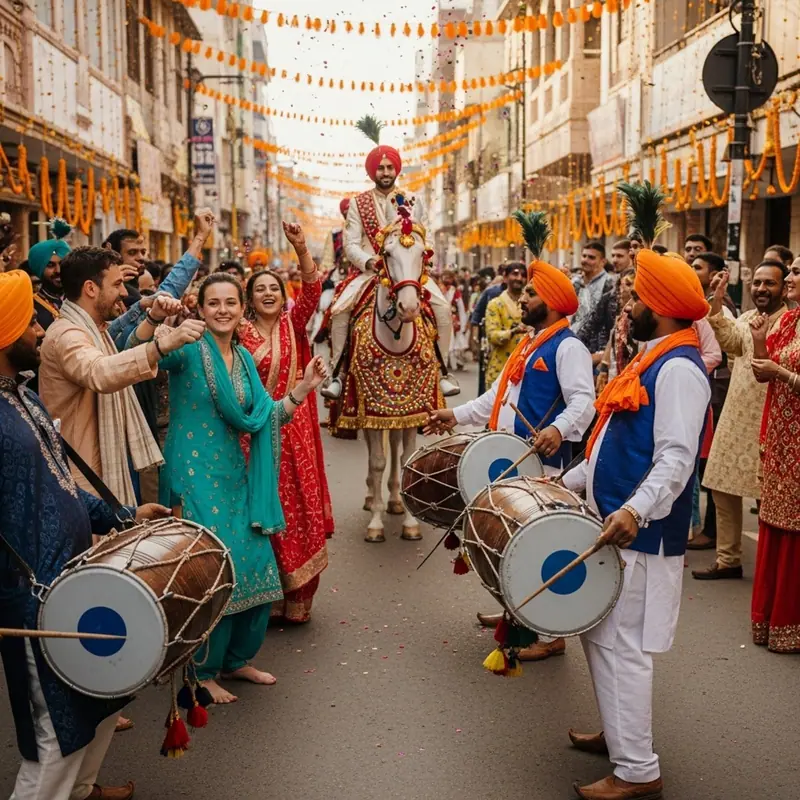
High-energy bhangra, dhol, Anand Karaj (Sikh ceremony), fun and celebration.
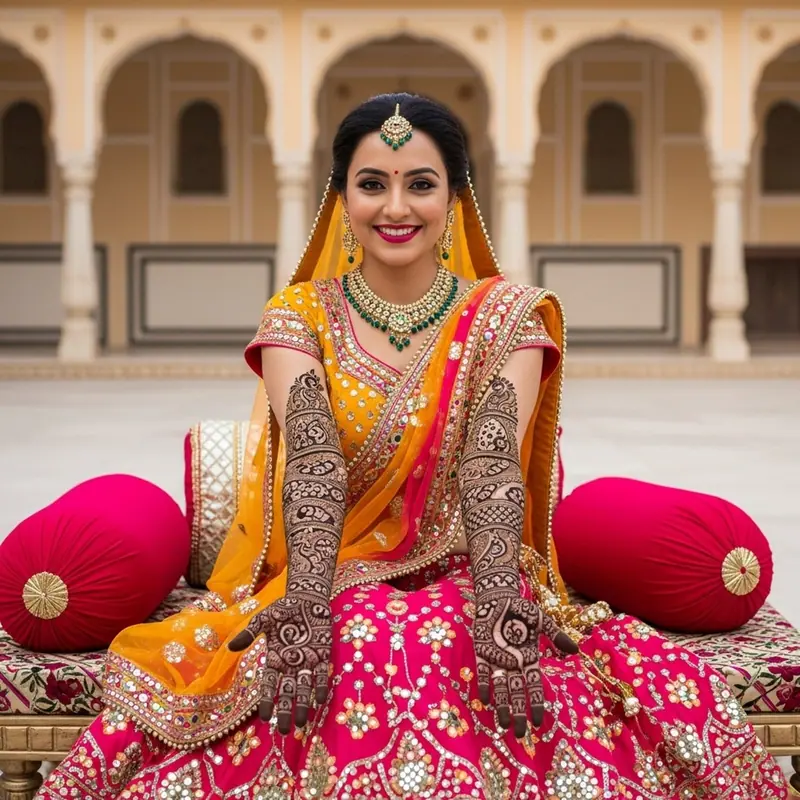
Fort palaces, royal attire, traditional folk music and grand heritage ceremonies.
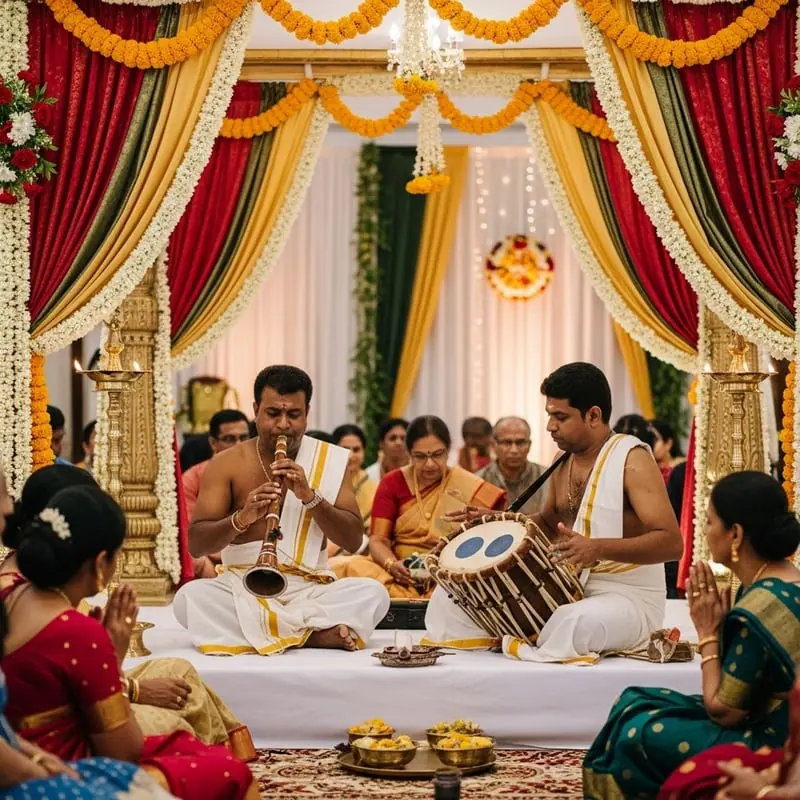
Temple rituals, silk sarees, jasmine flowers, and an authentic cultural experience.
Choose a Punjabi wedding for non-stop energy and Bhangra, a North Indian wedding for the classic grand celebration, a Rajasthani royal wedding for palaces and pageantry, or a South Indian wedding for serene temple rituals.
| Style | Where | Key rituals | What it feels like |
|---|---|---|---|
| North Indian | Delhi NCR, Uttar Pradesh and Madhya Pradesh | Haldi, Mehendi, Sangeet, Baraat, Pheras, Vidaai | Grand and emotional — the classic 'Bollywood' wedding with dhol, dancing and a very long night. |
| Punjabi & Sikh | Punjab, Delhi NCR and Chandigarh | Chooda, Kalire, Mehendi, Sangeet, Baraat, Anand Karaj | Loud, joyful and non-stop dancing — the best choice if you want energy and Bhangra. |
| Rajasthani Royal | Jaipur, Udaipur, Jodhpur and other cities of Rajasthan | Ganesh Pooja, Haldi, Mehendi, Ghoomar Sangeet, Royal Baraat, Agni Pheras | Regal and cinematic — palaces, folk musicians, Ghoomar dancers and a Baraat that can arrive on a horse or elephant. |
| South Indian | Tamil Nadu, Karnataka, Kerala, Andhra Pradesh and Telangana | Mangala Snanam, Vratham, Jaanavasam, Kanyadaanam, Thali tying, Saptapadi | Serene, sacred and deeply traditional — often held early in the morning at a temple-style mandapam. |
Tell us when you're in India, your group size and preferred wedding style.
We find a verified family celebrating during your dates and share the plan and price.
We help with traditional clothes and explain customs, gifts and etiquette.
Join Haldi, Mehendi, Sangeet, the Baraat and the ceremony with a guide.
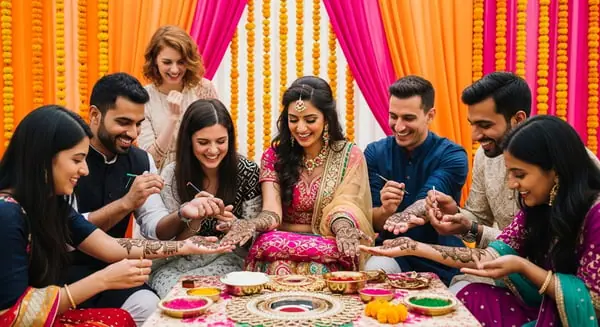
An Indian wedding tour has no fixed price: NamasteTrip sends a written quote within 24 hours of receiving your dates, because every wedding is different. The price depends on:
More in our etiquette guide and what to wear guide.
| Region | Best months | Good to know |
|---|---|---|
| North India | November – February | Pleasant days and cool nights; the busiest wedding months. |
| Punjab | November – February | Winter weddings with bonfires, Bhangra and Gurudwara ceremonies. |
| Rajasthan | October – March | The desert is cool; palace and heritage venues are at their best. |
| South India | Throughout the year | Dates follow regional calendars; many ceremonies start early in the morning. |
| Second season | April – June | Many weddings take place in the evenings to avoid the heat. |
Hindu weddings follow auspicious dates (muhurat), so exact dates change every year. Read our wedding season guide.


Tell us when you're travelling and which wedding style interests you. We'll match you with a family celebrating around your dates and share the full plan and price.
We reply within 24 hours.
Weddings
North Indian, Punjabi, Rajasthani Royal or South Indian — a complete guide to the four types of Indian weddings foreign tourists…
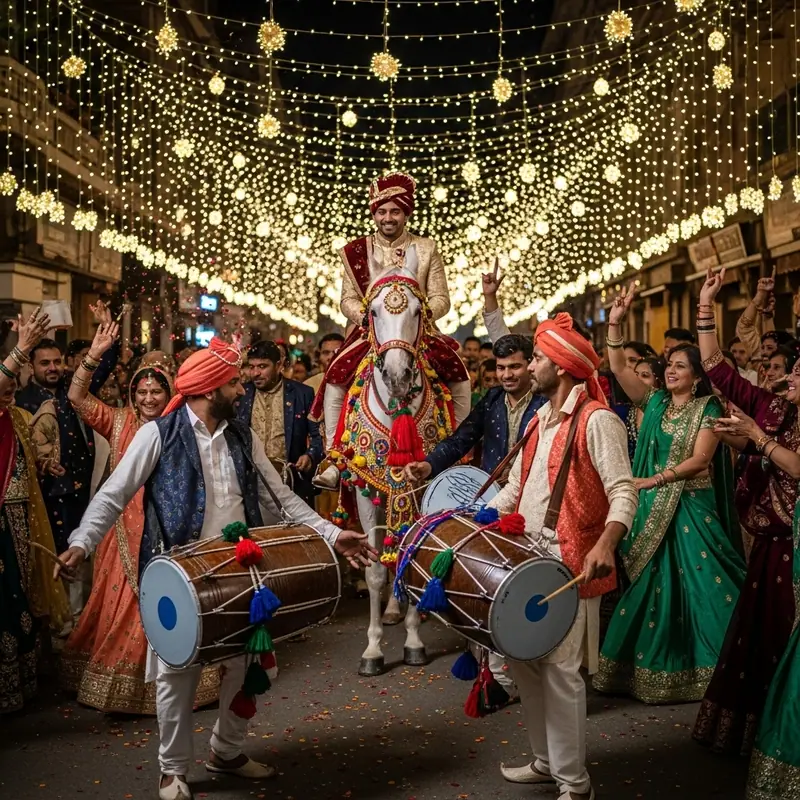 Weddings
Attending an Indian wedding as a foreigner? Learn the etiquette: greetings, gifts (shagun), food, alcohol, photography, timing,…
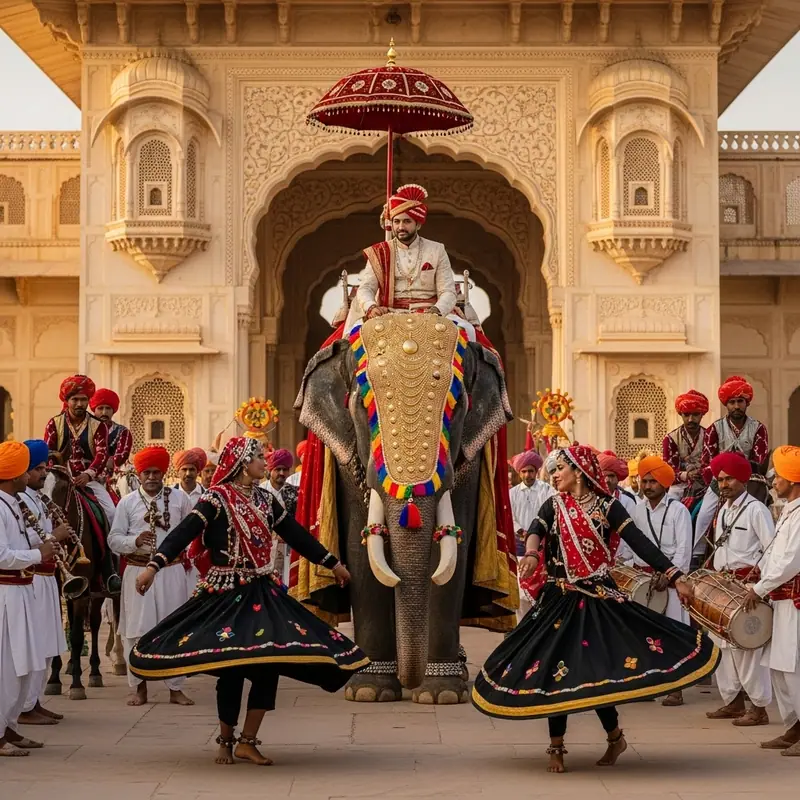 Weddings
When is wedding season in India? Learn the best months to attend an Indian wedding as a tourist, why dates follow auspicious…
The saptapadi — seven steps taken by the bride and groom together before the sacred fire — is the legal heart of a Hindu wedding. Under Section 7 of India’s Hindu Marriage Act, 1955, a marriage solemnised with this rite becomes complete and binding when the seventh step is taken. Guests on a NamasteTrip wedding tour watch this moment with a guide who explains each ritual.
The main Indian wedding season runs from November to February, with a second, smaller season from April to June. Hindu families choose dates by auspicious muhurats, so exact wedding days change every year. NamasteTrip asks travellers to send their travel window as early as possible and replies to every wedding tour enquiry within 24 hours.
Most foreign travellers need a visa to visit India. The Government of India’s official e-Visa portal offers e-Tourist visas valid for 30 days, 1 year or 5 years, and applications must be submitted at least 4 days before arrival. NamasteTrip does not issue visas, so apply only on the official website, indianvisaonline.gov.in.
Last reviewed on 6 October 2026 by the NamasteTrip team.
Still have a question? Message us on WhatsApp — a real person replies.
Yes. NamasteTrip arranges for international travellers to attend real Indian weddings as invited guests of local families — including Haldi, Mehendi, Sangeet, the Baraat and the main ceremony.
You tell us your travel dates and preferred wedding style. We match you with a family celebrating a wedding during your dates, help with traditional clothes, brief you on customs, and a guide explains the rituals during the celebrations.
North Indian Hindu, Punjabi (including Sikh Anand Karaj), Rajasthani Royal and South Indian Hindu weddings.
The main wedding season is roughly November to February, with a second season around April to June. Dates follow auspicious muhurats, so tell us your travel window early.
Yes. The experience is guided and family-friendly, and you are welcomed as a guest of the family with NamasteTrip support throughout.
Bright Indian clothes such as a saree, lehenga, kurta or sherwani. We can help arrange traditional attire. Read our what to wear guide.
A small gift or cash in an envelope (shagun) is customary. Amounts ending in 1, like ₹1,101, are considered lucky. See our wedding etiquette guide.
The price depends on the city, the number of days and your group size. Send us an enquiry and we will share a clear quote.