 NamasteTrip
How Indian food works
There is no single "Indian food". The country's cuisine changes every few hundred kilometres, but a few patterns help you read any menu:
- North India eats more wheat — roti, naan and paratha — with rich, creamy gravies, paneer and tandoor-grilled dishes.
- South India is built on rice: dosa, idli, sambar, rasam and coconut-based curries, often served on a banana leaf.
- West India ranges from Rajasthan's desert cooking to Gujarat's sweet-savoury vegetarian food and Goa's coconut and seafood curries.
- East India loves fish, mustard oil and sweets — Kolkata is famous for rasgulla and sandesh.
Meals are usually served as a thali: a large plate with small bowls of dal (lentils), one or two vegetable curries (sabzi), rice, bread, yogurt, pickle and a sweet. Vegetarian food is everywhere, so India is one of the easiest countries in the world to travel as a vegetarian.
25 Indian dishes every first-timer should try
Spice levels are a general guide — every cook is different, and you can always ask for a milder version.
| Dish | Region | What it is | Spice | Veg? |
|---|---|---|---|---|
| 1. Butter chicken | Delhi | Tandoori chicken in a creamy tomato-butter gravy | Mild | Non-veg |
| 2. Dal makhani | Punjab / Delhi | Black lentils and kidney beans slow-cooked with butter and cream | Mild | Veg |
| 3. Chole bhature | Delhi / Punjab | Spiced chickpea curry with puffed fried bread | Medium | Veg |
| 4. Paneer tikka | North India | Cubes of Indian cottage cheese marinated and grilled in a tandoor | Mild–medium | Veg |
| 5. Aloo paratha | Punjab | Flatbread stuffed with spiced potato, served with curd and butter | Mild | Veg |
| 6. Rajma chawal | North India | Kidney-bean curry with rice — classic home food | Mild | Veg |
| 7. Biryani | Hyderabad / Lucknow | Layered rice with meat or vegetables, saffron and whole spices | Medium | Both |
| 8. Galouti kebab | Lucknow | Melt-in-the-mouth minced-meat kebab | Mild | Non-veg |
| 9. Rogan josh | Kashmir | Slow-cooked lamb curry coloured with Kashmiri chilli | Medium | Non-veg |
| 10. Dal baati churma | Rajasthan | Baked wheat balls with lentils and a sweet crumble | Medium | Veg |
| 11. Laal maas | Rajasthan | Fiery red mutton curry | Hot | Non-veg |
| 12. Pav bhaji | Mumbai | Mashed vegetable curry with buttered soft rolls | Medium | Veg |
| 13. Vada pav | Mumbai | Spiced potato fritter in a bun — Mumbai's street burger | Medium | Veg |
| 14. Dhokla | Gujarat | Steamed, spongy savoury gram-flour cake | Mild | Veg |
| 15. Goan fish curry | Goa | Fish in a tangy coconut and kokum gravy, served with rice | Medium–hot | Non-veg |
| 16. Masala dosa | Karnataka / Tamil Nadu | Crispy rice-lentil crêpe filled with spiced potato | Mild | Veg |
| 17. Idli sambar | South India | Steamed rice cakes with lentil-vegetable stew and chutney | Mild–medium | Veg |
| 18. Appam with stew | Kerala | Lacy rice pancakes with a mild coconut-milk stew | Mild | Both |
| 19. Chettinad chicken | Tamil Nadu | Chicken in a peppery, roasted-spice gravy | Hot | Non-veg |
| 20. Kathi roll | Kolkata | Kebab or paneer wrapped in a flaky paratha | Medium | Both |
| 21. Momos | Himalaya / Northeast | Steamed dumplings with a fiery chutney on the side | Mild (chutney hot) | Both |
| 22. Pani puri | All India | Crisp hollow puris filled with spiced water — eaten in one bite | Medium | Veg |
| 23. Masala chai | All India | Milky tea boiled with ginger and cardamom | — | Veg |
| 24. Lassi | Punjab | Thick yogurt drink, sweet or salted | — | Veg |
| 25. Gulab jamun & jalebi | All India | Syrup-soaked milk dumplings and crispy fried spirals | — | Veg |
Spice, vegetarian food and allergies
- Control the heat: say "kam teekha" or "kam mirch" (less chilli) when ordering, or "bina mirch" (no chilli). A side of plain curd (dahi), raita or a lassi cools your mouth far better than water.
- Veg vs non-veg: packaged food in India carries a green dot for vegetarian and a brown/red dot for non-vegetarian, and many restaurants are "pure veg". Jain food goes further, with no onion, garlic or root vegetables.
- Vegan: ghee (clarified butter), cream, paneer and curd are common, so ask for dishes "without ghee, cream or dairy". South Indian food is often the easiest vegan option.
- Allergies: cashews and almonds are ground into many creamy gravies, and gram flour (besan) and wheat appear everywhere. Carry a written note of your allergy in Hindi or the local language and show it when you order.
How to eat safely and avoid "Delhi belly"
Traveller's diarrhoea is the most common health problem for visitors to India. It is usually mild, but it can cost you a day or two of your trip. The rule doctors give travellers — boil it, cook it, peel it or leave it — works well:
- Water: drink only sealed bottled water (check the cap) or properly filtered/RO water, and use it to brush your teeth too. Hotels and many restaurants serve RO-filtered water — just ask.
- Ice and drinks: avoid ice and fresh juices from street stalls unless you know the water is filtered. Hot masala chai is almost always safe because it is boiled.
- Hot and fresh: choose food cooked in front of you and served steaming hot. Avoid buffets where food has been sitting lukewarm.
- Busy stalls: a long queue of locals means high turnover and fresh ingredients. Look for stalls where the cook wears gloves and money is handled separately.
- Fruit and salads: peel fruit yourself (bananas, oranges, mangoes); skip pre-cut fruit and raw salads at stalls during your first days.
- Ease in: save the riskier street snacks — pani puri water, chutneys and raw toppings — for later in your trip, once your stomach has adjusted.
- Be prepared: carry hand sanitiser and a few sachets of ORS (oral rehydration salts), sold cheaply at any chemist. See a doctor if you have a high fever, blood in your stool or symptoms that last more than a couple of days.
India's food regulator, FSSAI, runs the Eat Right India programme, which inspects and certifies "Clean Street Food Hubs" in several cities — certified hubs are a good place to try street food with more confidence.
Street food, restaurants or a family home?
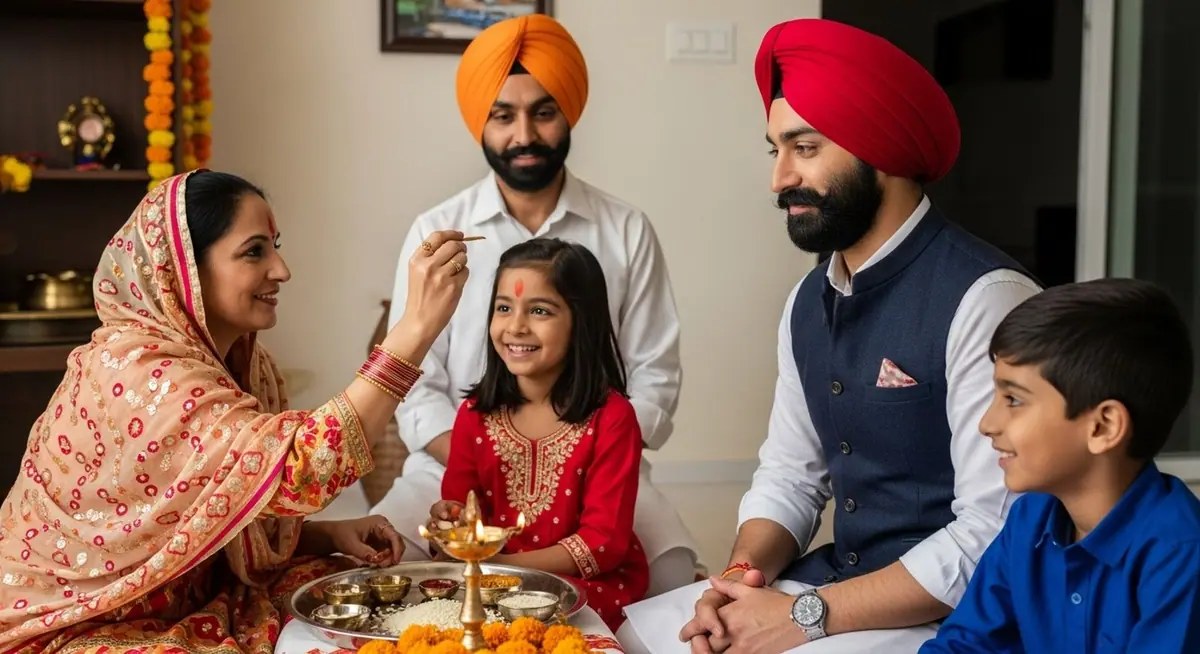
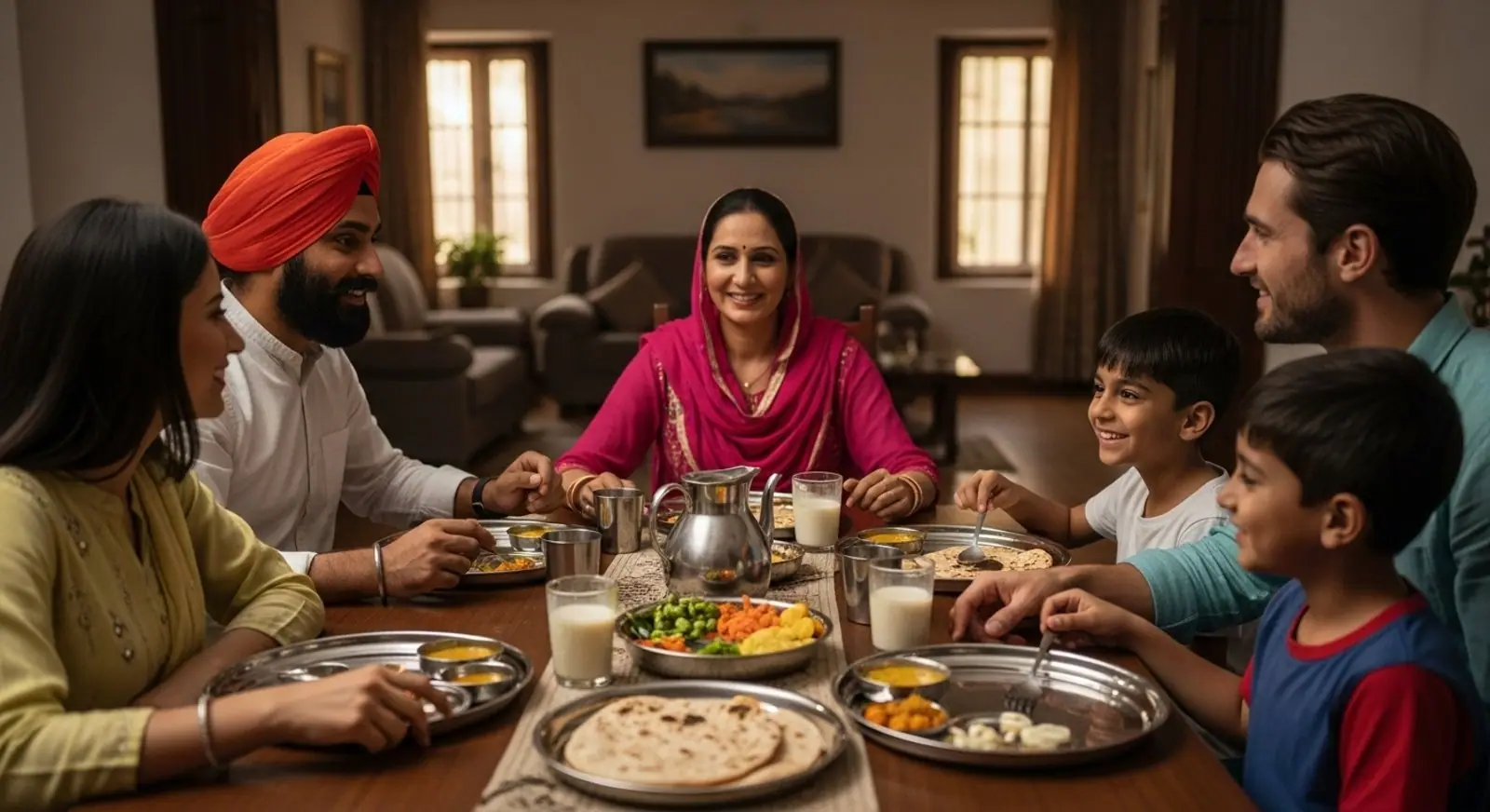
Street food is cheap, delicious and part of the experience — think chaat in Delhi, vada pav in Mumbai and kathi rolls in Kolkata. Restaurants serve the rich "celebration" dishes most foreigners know, such as butter chicken and naan, which are heavier than what Indians eat every day. Home cooking is different again: lighter, fresher, less oily and made with filtered water in a family kitchen. That is why a meal with a local family is the gentlest — and most memorable — introduction to Indian food. Read what to expect when you dine with an Indian family for table manners and etiquette.
Best Indian cities for food lovers
- Delhi: Old Delhi's parathas, chaat, kebabs and jalebi; plus Punjabi classics like butter chicken and chole bhature.
- Amritsar: Amritsari kulcha, lassi and the free community kitchen (langar) at the Golden Temple, which serves tens of thousands of people every day.
- Lucknow: Awadhi kebabs and dum biryani.
- Jaipur: dal baati churma, pyaaz kachori and laal maas.
- Mumbai: vada pav, pav bhaji and seafood on the coast.
- Hyderabad: India's most famous biryani.
- Chennai & Kerala: dosa, idli, filter coffee and banana-leaf meals.
- Kolkata: kathi rolls, fish curry and Bengali sweets.
Planning your route? Our India trip cost guide shows how much to budget for food, and activities lists food walks and cooking experiences.
Taste real home cooking with a local family
Share a home-cooked meal with a local family in Delhi, Jaipur, Agra, Varanasi, Mumbai or Goa.
Book a family meal