 NamasteTrip
Peak season: November to February
After the festival of Diwali and the Hindu festival Dev Uthani Ekadashi (usually in November), a large number of auspicious dates open up and cities fill with Baraat processions, decorated venues and music. The weather in Delhi, Punjab, Uttar Pradesh and Rajasthan is pleasant during the day and cool at night — ideal for outdoor ceremonies and sightseeing.
Second season: April to June
Many weddings also take place in spring and early summer. Days can be very hot in North and Central India, so ceremonies often move into the evening. It's a good time for hill-station weddings and for combining your trip with a Himalayan trek.
Quieter periods
Many Hindu families avoid weddings during Chaturmas (roughly the monsoon months, July to October), during Pitru Paksha (a fortnight honouring ancestors, usually in September), and — in many North Indian families — during Kharmas (about mid-December to mid-January). Exact dates change every year with the lunar calendar, and practices differ by community.
Regional differences
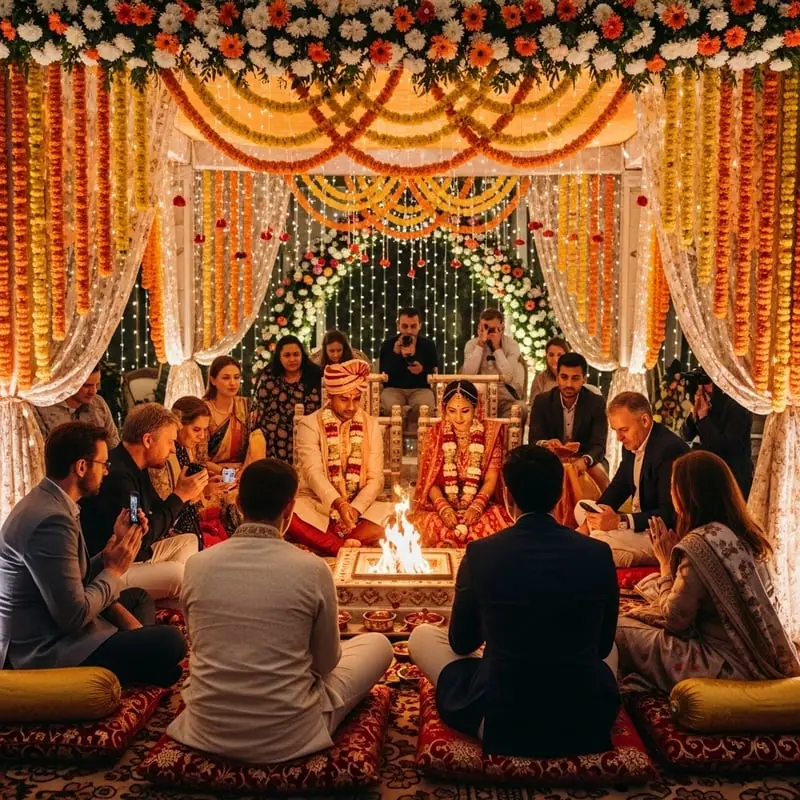
- North India (Delhi, UP, MP): busiest from November to February.
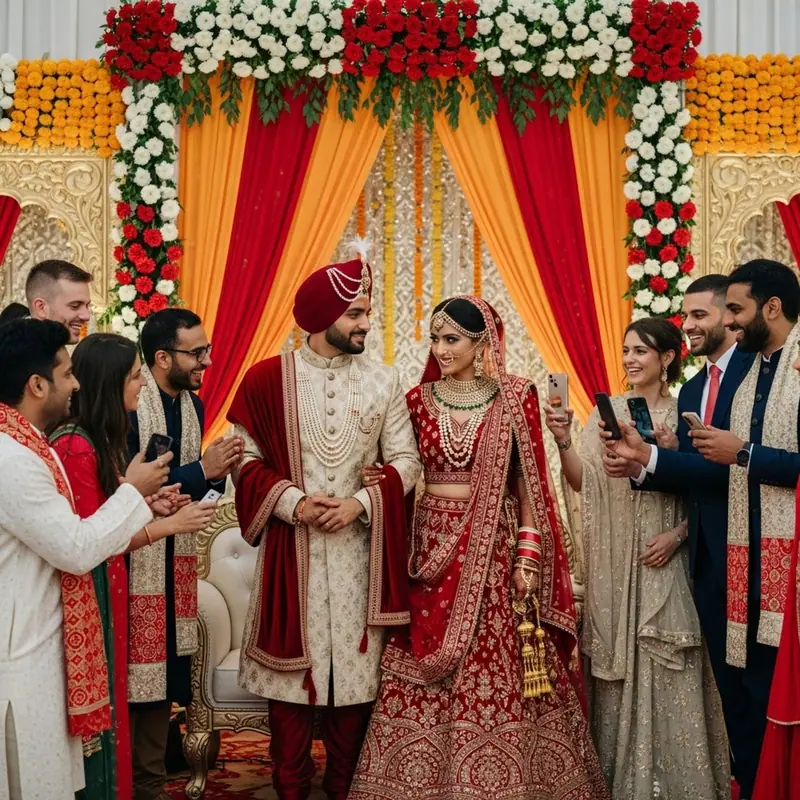
- Punjab: winter weddings with bonfires, Bhangra and Anand Karaj ceremonies in Gurudwaras.
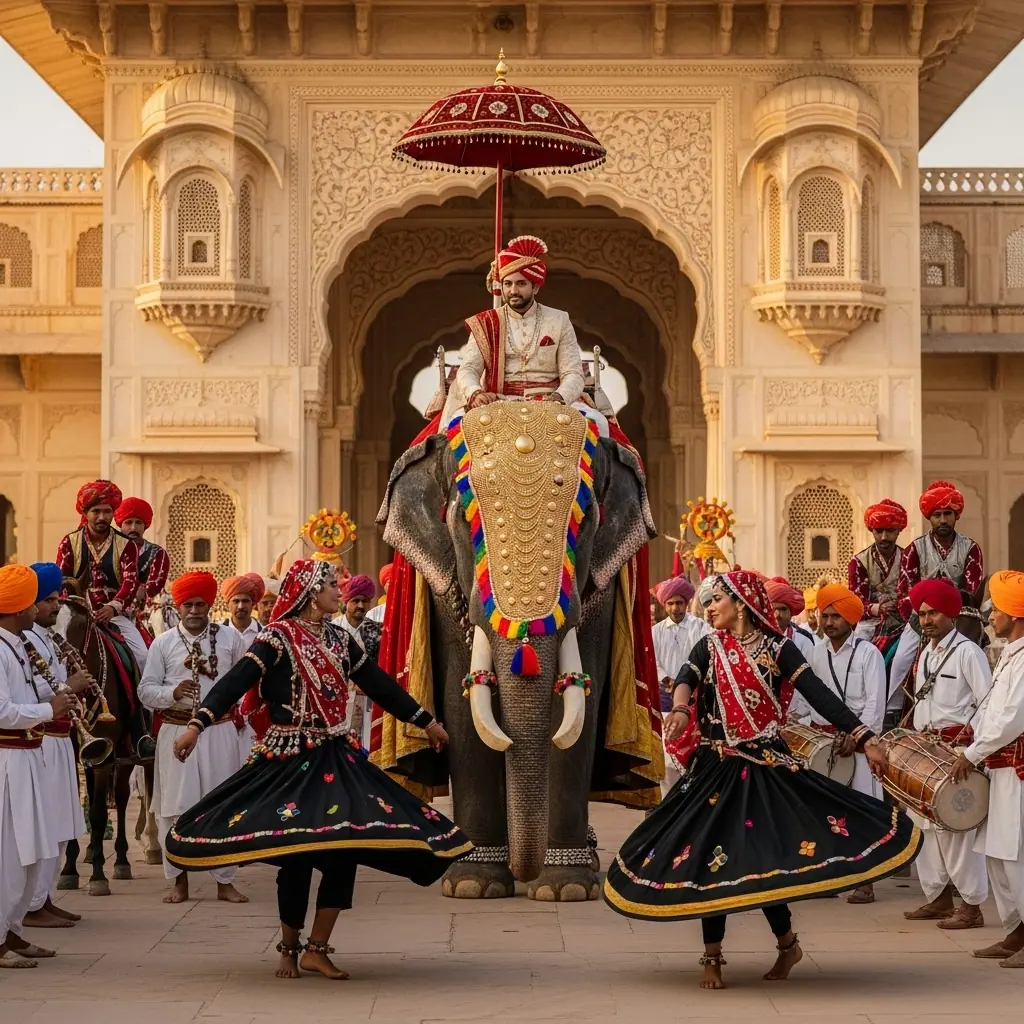
- Rajasthan: palace and heritage weddings are most popular October to March, when the desert is cool.
- South India: dates follow Tamil, Telugu, Kannada and Malayalam calendars; many ceremonies take place early in the morning. Coastal regions are humid most of the year.
Planning your wedding tour
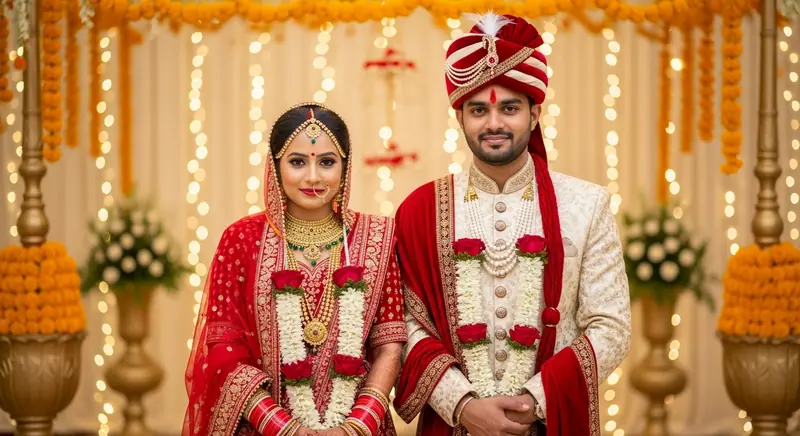
Because each wedding follows its own auspicious date, tell us your travel window as early as possible. NamasteTrip will look for a family celebrating during your dates and in the wedding style you prefer — North Indian, Punjabi, Rajasthani Royal or South Indian.
Attend a real Indian wedding
Choose North Indian, Punjabi, Rajasthani or South Indian — we'll match you with a family.
Explore wedding tours