 NamasteTrip
- Indian weddings are family events — join through a hosted experience rather than turning up uninvited.
- Choose a style: North Indian, Punjabi, Rajasthani Royal or South Indian.
- Peak wedding season is November to February; a second season runs April to June.
- Wear bright colours, cover your head in Gurudwaras and temples, and ask before photographing rituals.
Ask any traveller what's on their India bucket list and an Indian wedding is usually near the top. The colours, the music, the food, the sheer joy — Indian weddings are less a ceremony and more a multi-day festival. The problem? You can't exactly walk in off the street. Weddings are family events, and crashing one is neither polite nor practical.
That's where a hosted wedding experience comes in. NamasteTrip connects foreign tourists with real Indian families who welcome guests to their weddings — guided, safe and completely authentic. Here's everything you need to know before you go.
Why attend an Indian wedding?
An Indian wedding compresses everything people love about India into a few unforgettable days: centuries-old rituals, dazzling outfits, home-style feasts and dancing until your feet hurt. Unlike a staged "cultural show", a real wedding is unscripted. The aunties will pull you into the dance circle. The groom's cousins will explain every ritual. You leave with stories no tour bus can offer.
Choose your wedding style
India has many beautiful wedding traditions, and each region celebrates differently. With NamasteTrip you can choose the culture you want to experience:
North Indian Hindu Wedding
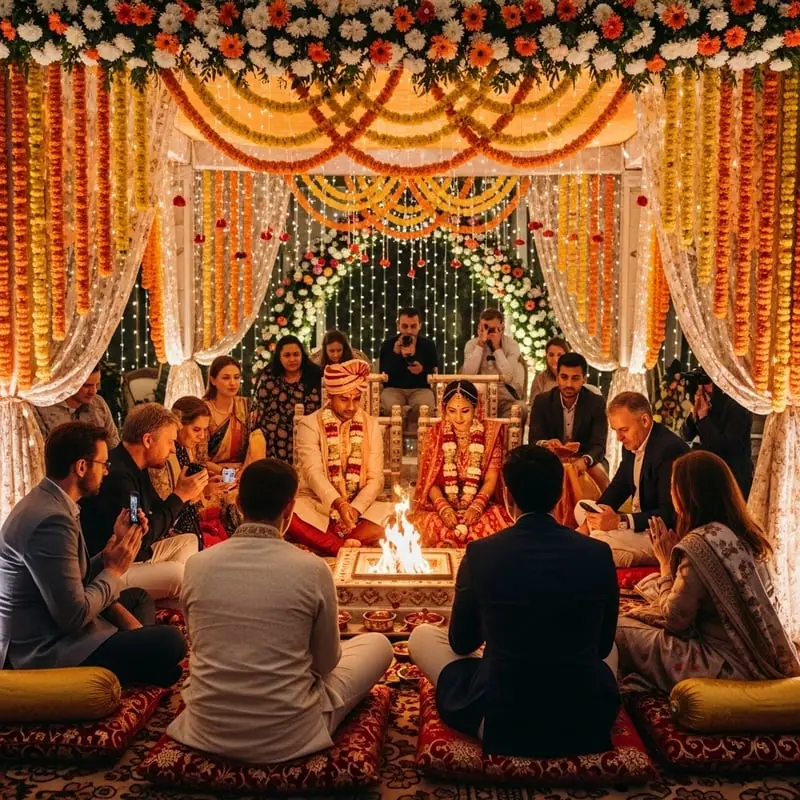
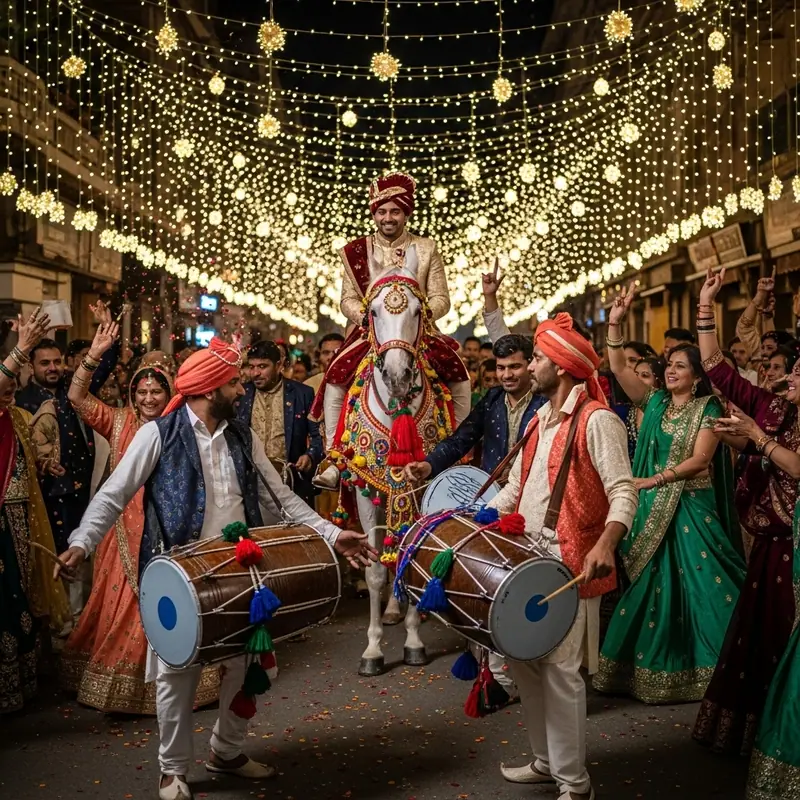
Baraat (the groom's procession), pheras around the sacred fire, sindoor, lavish décor and vibrant rituals. Popular in Delhi, UP and MP.
Punjabi Wedding
High-energy bhangra, dhol drums, Anand Karaj (the Sikh ceremony), and legendary food. If you want to dance, this is your wedding.
Rajasthani Royal Wedding
Fort palaces, royal attire, traditional folk music and grand heritage ceremonies straight out of a period film.
South Indian Wedding
Temple rituals, silk sarees, jasmine flowers and a serene, deeply traditional atmosphere.
What you'll experience, step by step
- Welcome & Tilak ceremony — you're greeted with aarti, tilak or a garland. A warm introduction to the family's traditions.
- Haldi ceremony — a joyful function where turmeric paste is applied to the bride and groom. Fun, colourful and perfect for pictures.
- Mehendi (henna) — women gather for traditional henna designs, music, dance and snacks. Guests are welcome to get henna too.
- Sangeet night — dance performances, DJ, stage lights and music. The liveliest evening of the wedding.
- Wedding rituals — pheras, vows, Anand Karaj or regional rituals depending on the culture. Guests observe the sacred customs.
- Traditional feast & sweets — regional dishes, desserts and sweets: Punjabi, Rajasthani, South Indian and more.
What's included in the experience
- Local family guide — a family member guides you through each ceremony so you never feel lost.
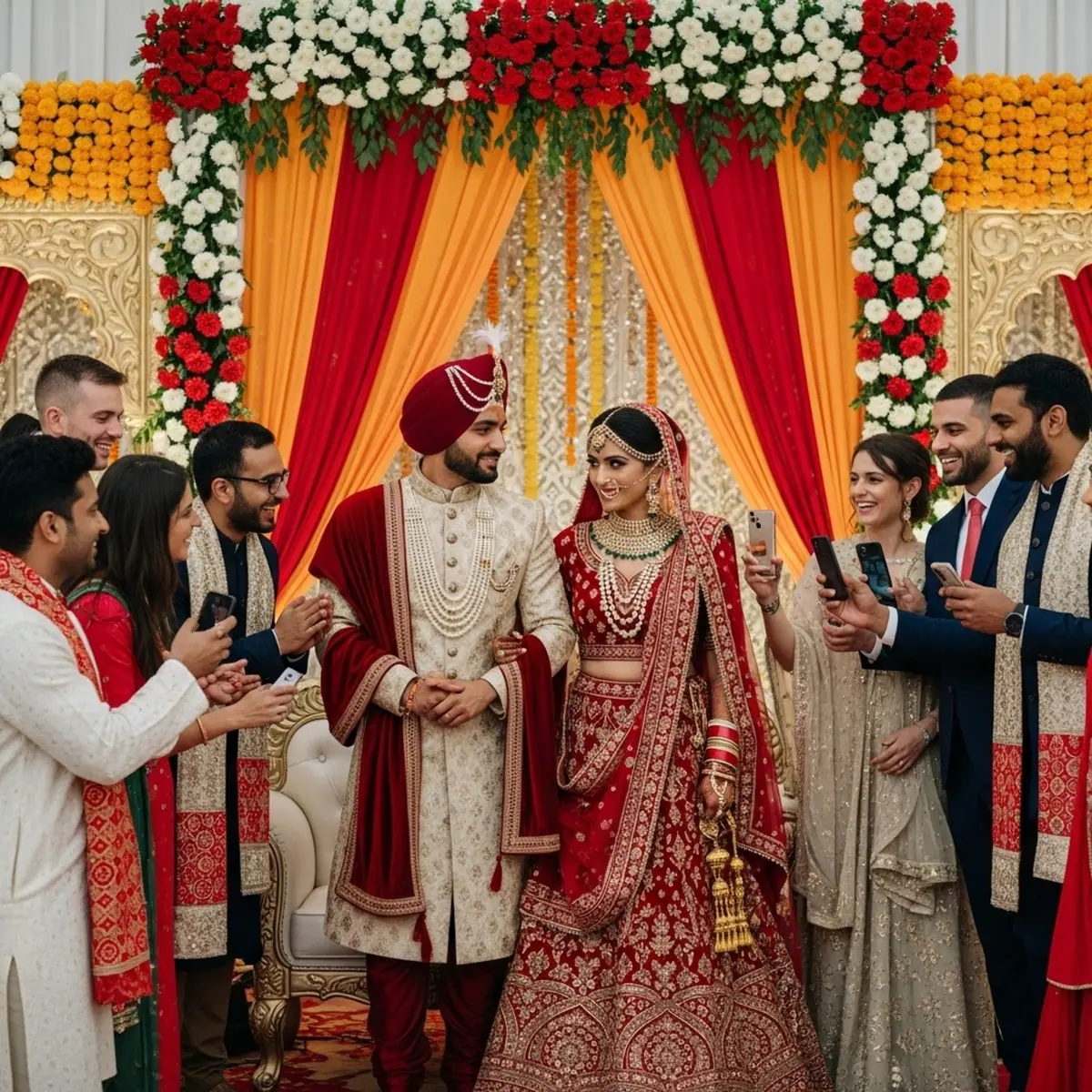
- Photo opportunities — capture Haldi, Mehendi, Sangeet and the wedding rituals.
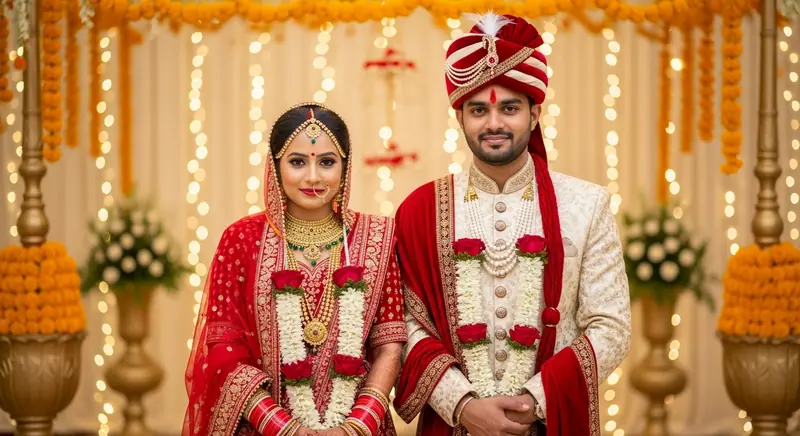
- Traditional dress assistance — help with wearing a saree, sherwani or kurta for an authentic wedding look.
- Food & sweets — the full wedding feast, vegetarian and non-vegetarian.
- Safe, family-friendly setting — you attend as an invited guest of a verified host family.
Etiquette tips for wedding guests
- Dress modestly and colourfully — avoid black or white, which are associated with mourning. Your hosts will happily help you dress Indian-style.
- Accept food and chai when offered; refusing repeatedly can seem cold.
- Ask before photographing the rituals up close — your family guide will tell you when it's welcome.
- Join the dancing when invited. Nobody cares if you're good; they care that you tried.
- A small gift or shagun (token amount in an envelope) is a thoughtful gesture, though never expected from guests.
Is it safe and legitimate?
Yes — that's the entire point of going through a host platform. NamasteTrip works with verified host families, the experience is guided from start to finish, and it's designed to be family-friendly. You're never an awkward stranger; you arrive as the family's invited international guest.
Attend a real Indian wedding
Choose North Indian, Punjabi, Rajasthani or South Indian — we'll match you with a family.
Explore wedding tours