NamasteTrip logoNamasteTrip
📞 +91 7599694100✉️ contact@namastetrip.in🌐 English · हिन्दी
Experiences

Best Things to Do in India: Top Activities & Experiences

Temples and tigers, mountains and mehendi — how to pick the experiences that fit your trip.
Travel Tips · August 2026 · NamasteTrip Team

Best Things to Do in India: Top Activities & Experiences
Quick answer: The best things to do in India span six categories — heritage sightseeing (Golden Triangle, Rajasthan forts), Himalayan trekking, wildlife safaris (Ranthambore, Corbett, Bandhavgarh), spiritual and wellness experiences (Ganga aarti, yoga in Rishikesh), cultural immersion (home-cooked meals, real weddings), and beach or backwater relaxation (Goa, Kerala). Pick 2–3 categories per trip rather than trying to do everything at once.

India rarely disappoints travellers — the risk is the opposite problem: too many good options and not enough days. Rather than a generic bucket list, here's how to think about activities by category, so you can build an itinerary that actually fits the time and interests you have.

Six categories of experience

🏰

Heritage & sightseeing

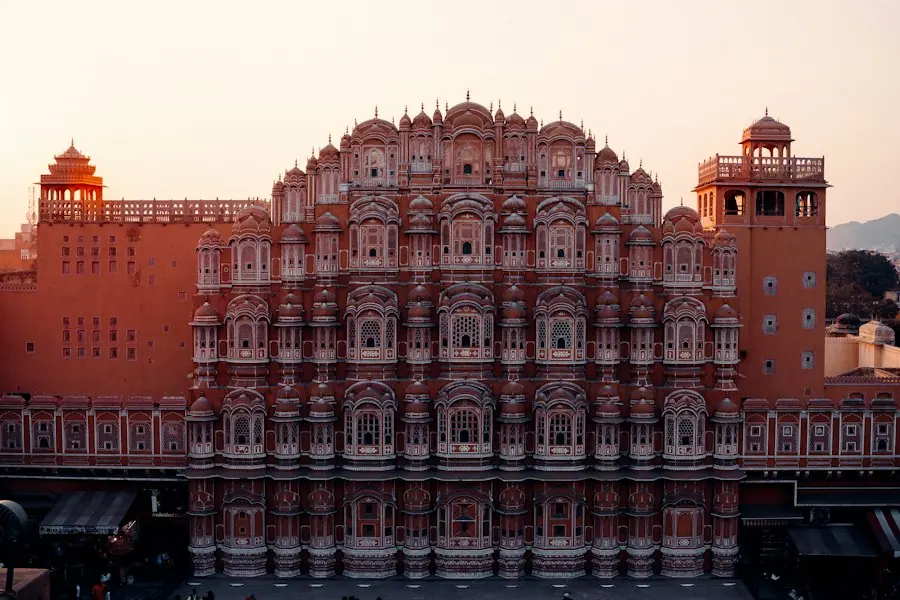
The Taj Mahal, Amber Fort, Hawa Mahal, Qutub Minar — India's Golden Triangle (Delhi–Agra–Jaipur) alone justifies a first trip.

🥾

Himalayan trekking

From the easy Triund overnight to the dramatic Hampta Pass crossing. See our full trekking guide for routes and seasons.

🐅

Wildlife safaris

Spot tigers in Ranthambore or Bandhavgarh, elephants and leopards in Jim Corbett — India's national parks are some of the best in Asia for big-cat sightings.

🕉️

Spiritual & wellness

The Ganga aarti in Rishikesh or Varanasi, sunrise yoga, and meditation retreats offer a slower, reflective side of India.

🍽️

Cultural immersion

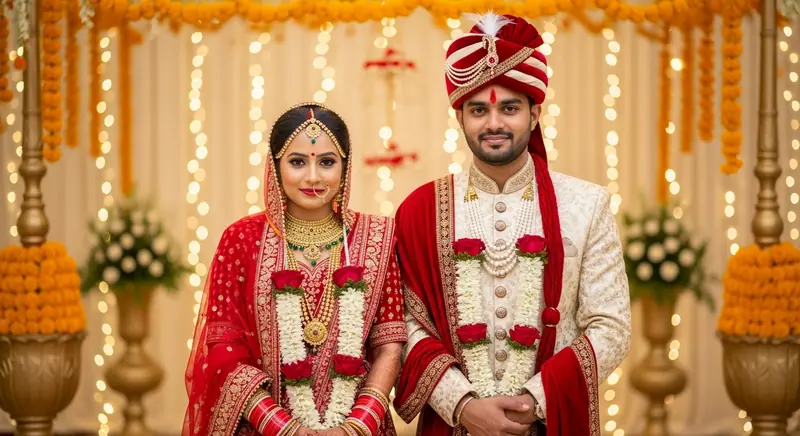
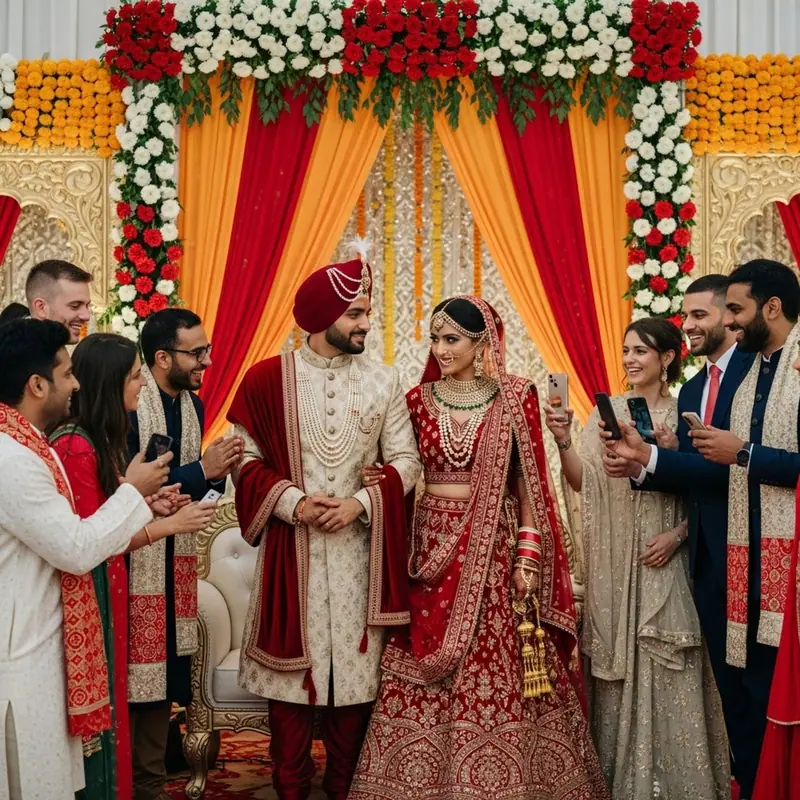
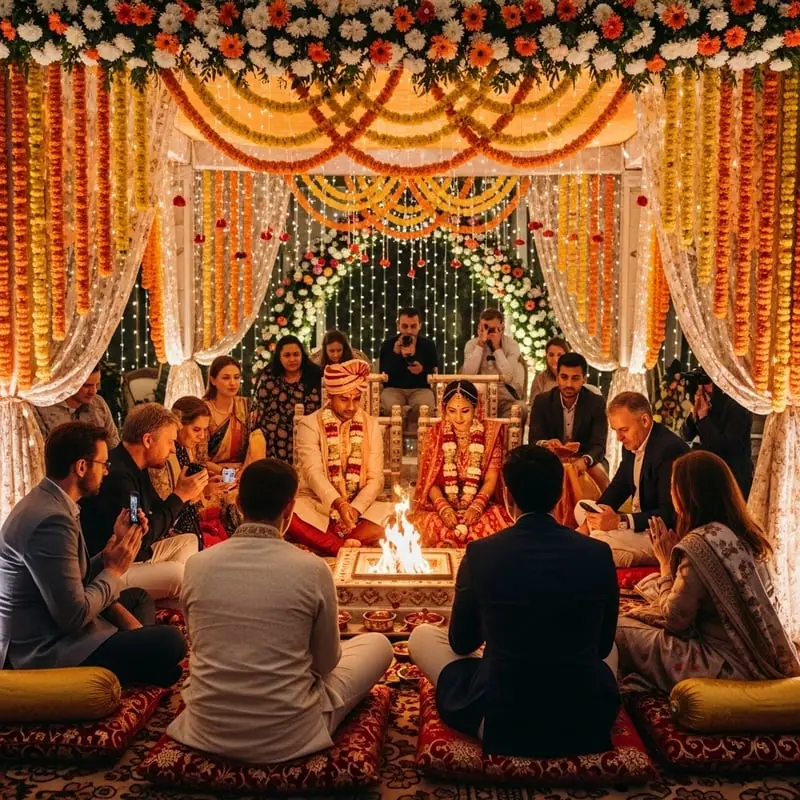
A home-cooked meal with a local family or a real Indian wedding gets you past the tourist trail into actual Indian life.

🏖️

Beaches & backwaters

Goa's beaches and nightlife, Kerala's houseboats and backwaters — the wind-down half of an India itinerary.

How much time do you need?

You need 5–7 days for a single region such as Delhi–Agra–Jaipur, and 10–14 days to add a Himalayan trek to the Golden Triangle.

Trip lengthWhat to prioritise
5–7 daysOne region only — e.g. Delhi–Agra–Jaipur, or Kerala backwaters + a wildlife safari
10–14 daysGolden Triangle + one Himalayan trek, or Rajasthan heritage + a home-cooked meal experience
3+ weeksCombine 2–3 regions: north India heritage, a trek, and a beach or backwater stretch to unwind

Best time of year, activity by activity

  • Heritage sightseeing: October–March, when daytime temperatures are comfortable for walking around forts and monuments.
  • Himalayan treks: December–April for snow treks like Kedarkantha; June–September for high-altitude crossings and the Valley of Flowers.
  • Wildlife safaris: November–April; parks often close for monsoon (roughly July–September).
  • Weddings and festivals: the wedding season peaks November–February; Holi (March) and Diwali (October/November) are the festivals most welcoming to visitors.
  • Beaches (Goa): November–February for dry, warm weather without monsoon rain.

Booking tips for activities

  • Book wildlife safaris early. Jeep permits at popular parks like Ranthambore sell out weeks ahead in peak season.
  • Go through verified operators for cultural experiences. A real Indian wedding or home dinner should be arranged with a vetted host family, not an informal street invitation.
  • Pack for altitude if trekking. Even short Himalayan treks need proper layers — check our packing list.
  • Stay connected. Sort out a local SIM or eSIM before you need offline maps in the mountains — see our India SIM guide.
  • Combine, don't cram. Two well-chosen experiences with time to enjoy them beat five rushed ones.
First-timer's pick: if you only have one week, do the Golden Triangle plus one cultural experience — a home-cooked meal or, if the season fits, a real Indian wedding. It's the fastest way to see India's history and meet its people in a single trip.
NamasteTrip

Plan your India trip with us

Weddings, family dinners, treks, flights and more — one team.

Plan your trip
Fact check

Key facts & sources

The Taj Mahal in Agra is closed every Friday and opens from 30 minutes before sunrise to 30 minutes before sunset on other days, according to the official Taj Mahal website. Built between 1631 and 1648, the white-marble mausoleum has been a UNESCO World Heritage Site since 1983. Sunrise visits have the softest light and the shortest queues.

Delhi has three UNESCO World Heritage Sites that visitors can see in one day: the Red Fort Complex (inscribed in 2007), Humayun’s Tomb (1993) and the Qutb Minar complex (1993), whose 72.5-metre tower is the tallest masonry tower in India. Many monuments open at sunrise, and the Delhi Metro is the fastest way between them.

Sources

Last reviewed on 6 October 2026 by the NamasteTrip team.

FAQ

Frequently Asked Questions

Still have a question? Message us on WhatsApp — a real person replies.

WhatsApp us
What are the best things to do in India for first-time visitors?

First-time visitors typically enjoy the Golden Triangle (Delhi, Agra, Jaipur) for heritage sites, a home-cooked meal with a local family, one Himalayan trek like Triund, and, if timing allows, attending a real Indian wedding.

How many days do you need to see the best of India?

Two weeks comfortably covers one region's highlights — for example Delhi-Agra-Jaipur plus a short trek, or Kerala's backwaters plus a wildlife safari. Ten days suits a single region; a month allows multiple regions without rushing.

What is the best time of year to visit India for activities?

October to March suits most of India for sightseeing, weddings and safaris. April to June is better for higher-altitude Himalayan treks, and July to September suits the Valley of Flowers trek, though lowland heat and monsoon rain increase.

Are wildlife safaris in India safe and easy to book?

Yes. Parks like Ranthambore, Jim Corbett and Bandhavgarh run permitted jeep safaris with trained guides. Slots are limited in peak season (November–April), so book several weeks ahead.

Can tourists attend real Indian festivals and weddings?

Yes, through a hosted experience. Platforms like NamasteTrip connect travellers with verified host families for real weddings, and public festivals such as Holi and Diwali are open and welcoming to visitors.

Keep reading

More from the blog